Hello, my name is Mustafa Zal Uçan. I live in Urfa and I am an English teacher. In this article, I would like to share my eight-month volunteering experience in the Czech Republic as part of the European Solidarity Corps (ESC).
Through Pi Youth Association, I took part in an eight-month volunteering experience hosted by the Spolek Hnízdo Association in Brno, Czech Republic, within the framework of the European Solidarity Corps (ESC). My volunteering placement was at a Montessori primary school located in the town of Tišnov, about half an hour away from the city.
What Was My Role?
My main role at the school was to contribute to the students’ language development by communicating with them in English. However, this was much more than simply teaching a traditional “English lesson.” During the weekly class called “Lusk English,” I selected topics that the students had been studying that week, such as history, biology, and chemistry, and presented them entirely in English using a variety of materials, presentations, and games. In this way, we were able to create a learning environment that both complemented the school curriculum and provided opportunities for natural language practice.
In line with the school’s Montessori philosophy, the students prepared their own lunches in the school kitchen twice a week. During this process, I spent time talking with them and discussing recipes, creating a fun and relaxed environment while also helping them practise their English. I also organised small projects from time to time. One of them was a “Turkish Day,” where I introduced Turkish cuisine and desserts, offered traditional food to the students, and shared the stories and history behind these flavours.
Expectations and Reality
Before setting off, my biggest expectation was to contribute to the students’ development in an environment where they could express themselves freely and comfortably. I believe this expectation was largely fulfilled. The connections I built with both the students and the other volunteers were mutual: just as I was able to contribute to their lives, they gave me the opportunity to discover Czech culture, the local way of life, and the values of the community.
Of course, there were also moments when I faced challenges. Communicating in English with everyone was not always possible. In those situations, I tried to adapt by using gestures and facial expressions, as well as the basic Czech words I had learned, such as “hello,” “thank you,” and “have a nice day.”
Moments I Will Never Forget
There are two moments in particular that have stayed with me throughout these eight months. The first was the on-arrival and mid-term training weeks in Prague, where all the ESC volunteers in the Czech Republic came together. These gatherings were both educational and deeply enriching, giving me the opportunity to build strong connections with volunteers from different cultural backgrounds.
The second was my last day at the school. The students wrote down their thoughts about me on pieces of paper, took photos with me, and we left small notes for one another. It was a simple but truly meaningful farewell.
Life in Brno and Tišnov
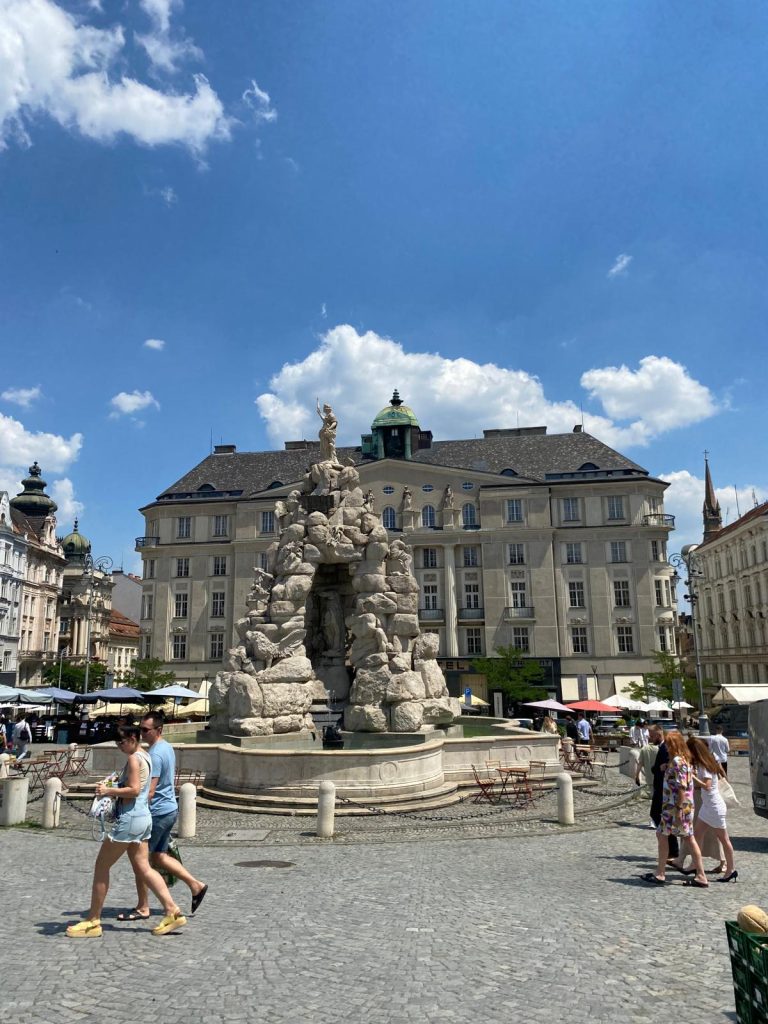
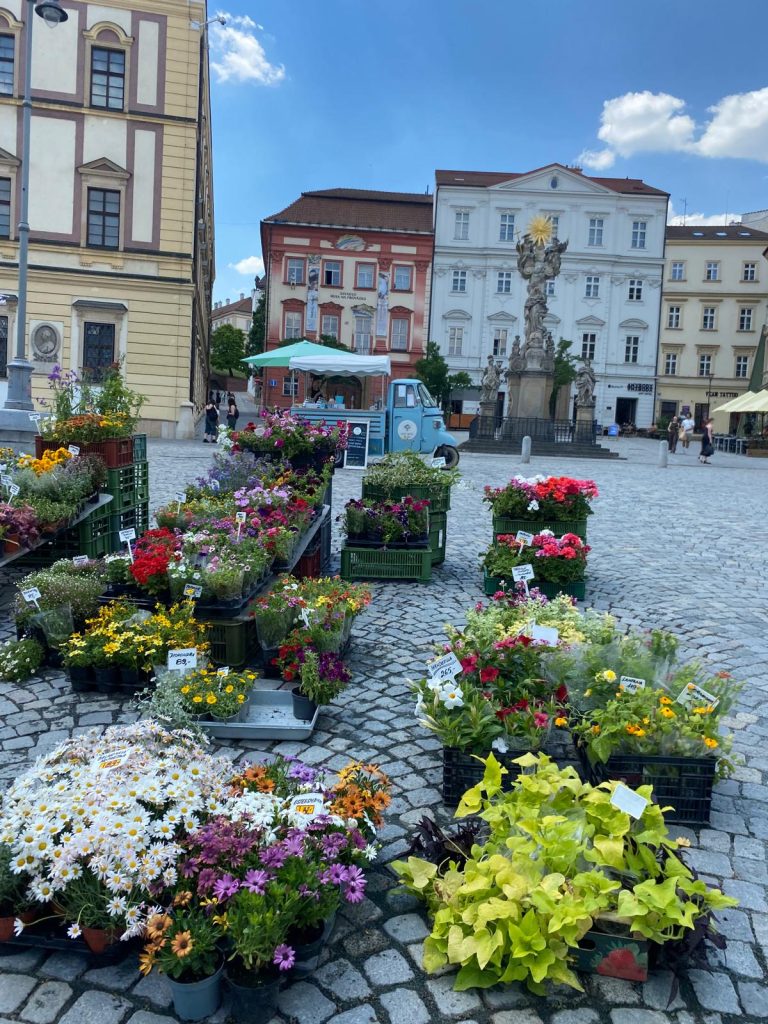
Brno, the second-largest city in the Czech Republic, is a city where you never feel isolated and where you can find everything you need for everyday life. Although the town of Tišnov, where I lived, was some distance from the city centre, it had its own unique character and was a peaceful and pleasant place to live.
The volunteers around me, as well as the teachers and local people, were always supportive and welcoming. Although traditional Czech cuisine was quite different from what I was used to, I generally enjoyed it and found it quite appealing.
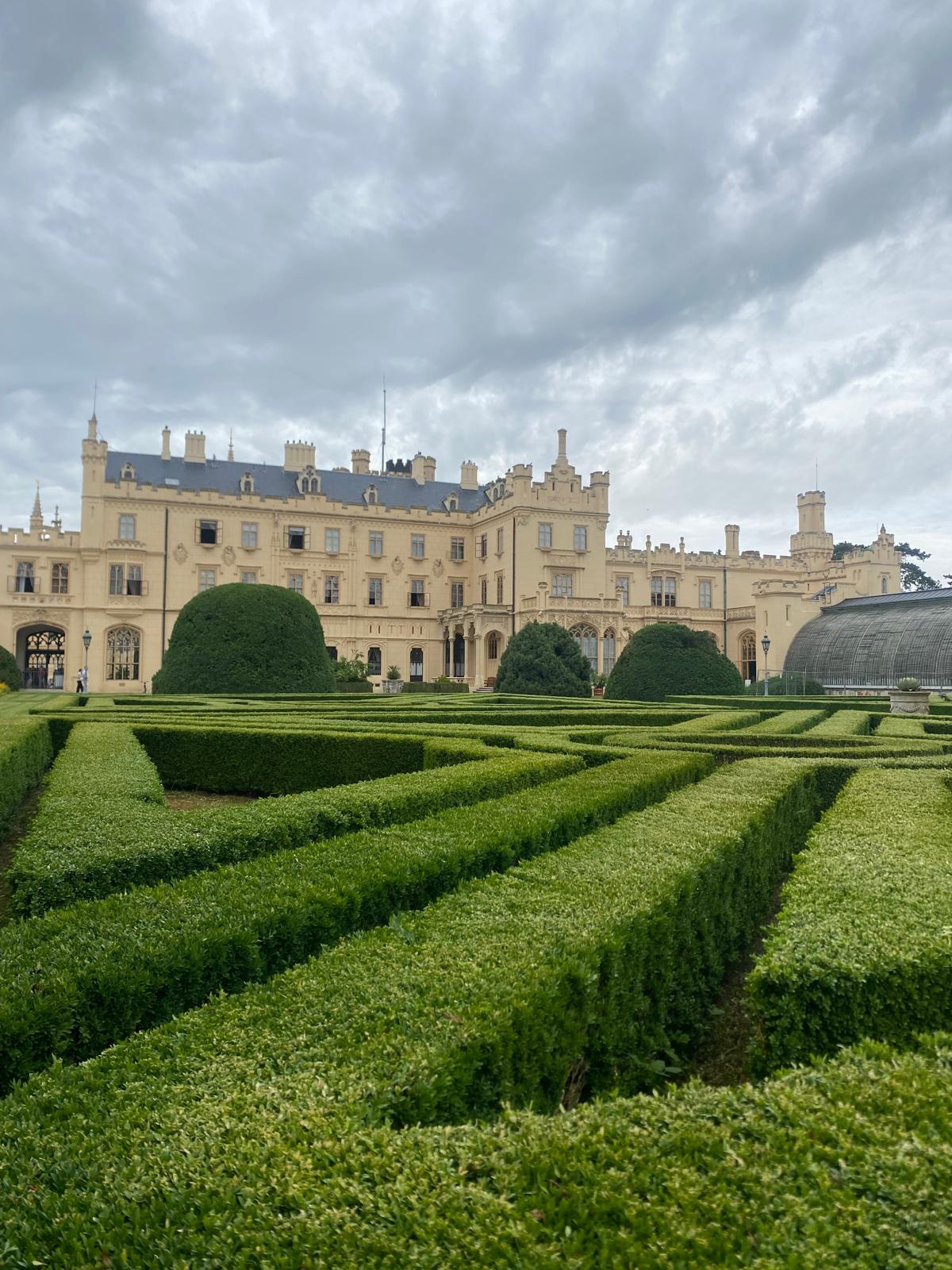
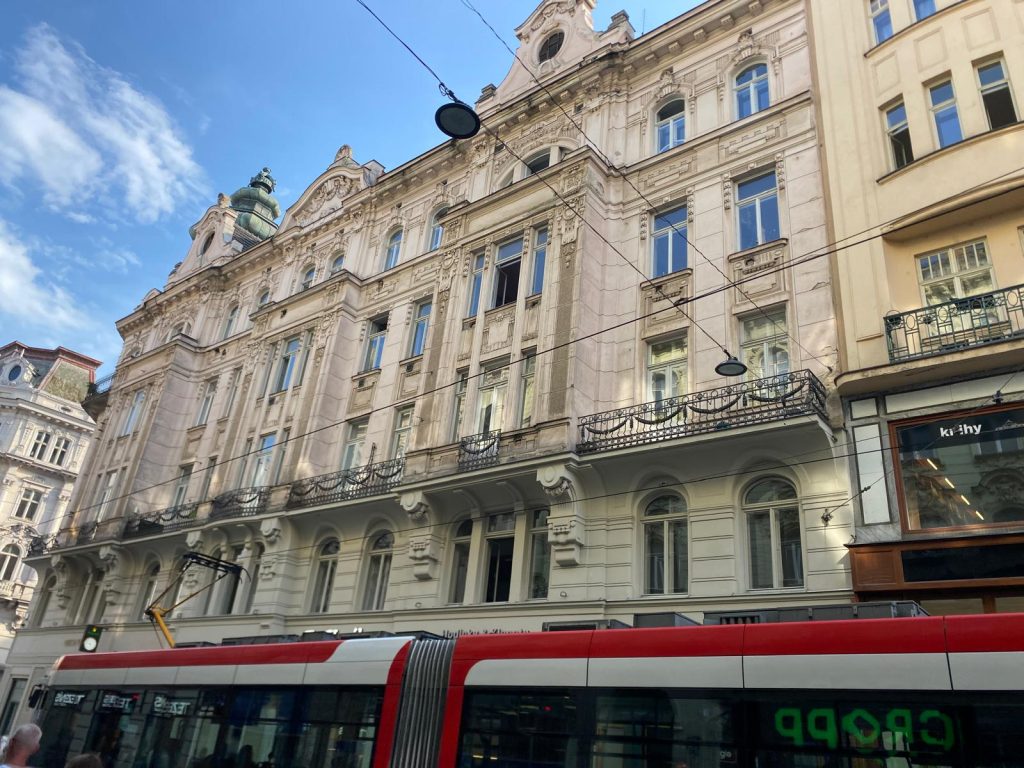
Whenever I had the opportunity, I travelled to places such as Prague, Karlovy Vary, Mikulov, Lednice, and Moravský Krumlov. I also had the chance to take a short trip to Vienna, which was another memorable part of my experience.
What I Gained from the Experience
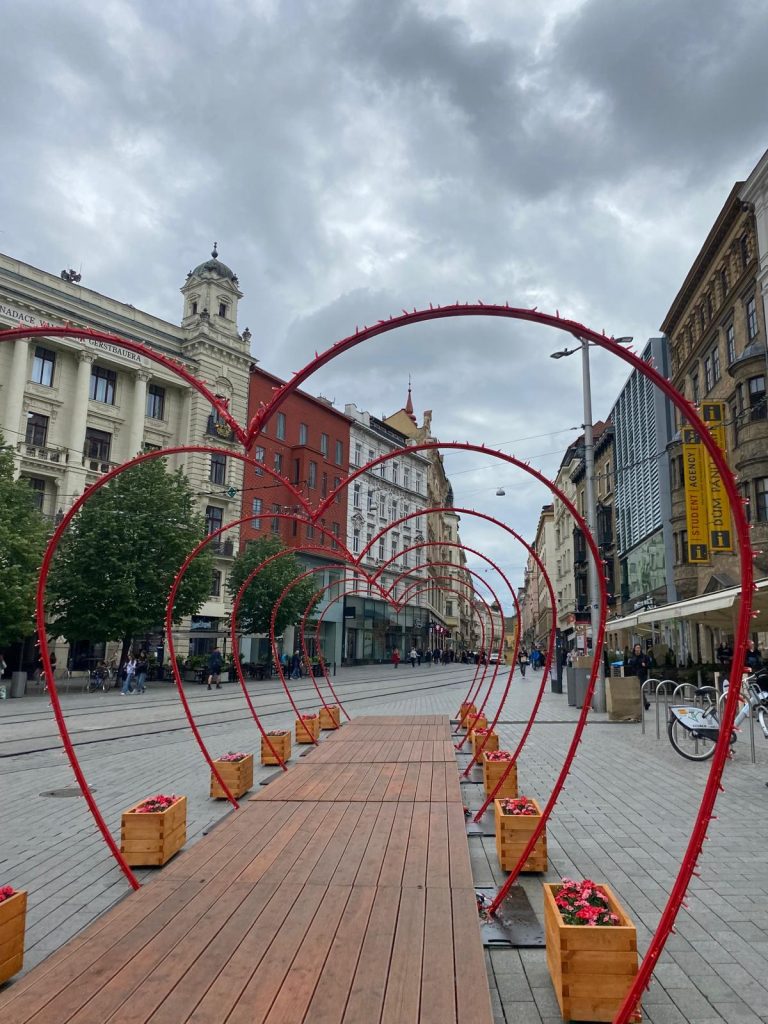
Professionally, this experience gave me the opportunity to work with a different approach to teaching. Integrating English into subjects such as history and science, rather than teaching it as a separate subject, was both educational and highly enjoyable.
On a personal level, the experience broadened my horizons and gave me the opportunity to gain a deeper understanding of different cultures, human behaviour, and universal values. Perhaps most importantly, it significantly increased my motivation to continue volunteering.
My Recommendation
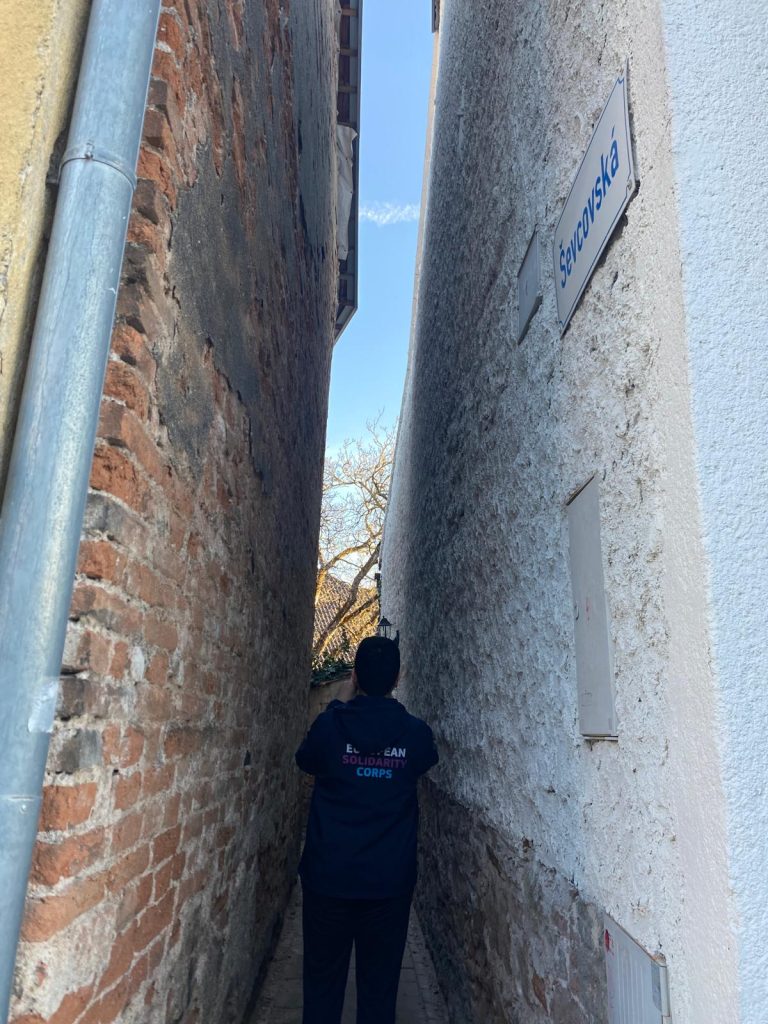
I wholeheartedly recommend the ESC programme to anyone who is considering taking part. Although volunteering is about the desire to contribute something to the world without expecting anything in return, it is, in fact, always a two-way experience and gives you so much in return as well. The ESC’s structure, which protects volunteers and clearly defines their rights and responsibilities, also makes the whole experience safe and meaningful.
I would like to thank Pi Youth Association for giving me this opportunity, and Spolek Hnízdo in Brno for hosting me, as well as everyone at the school who made this experience so special.