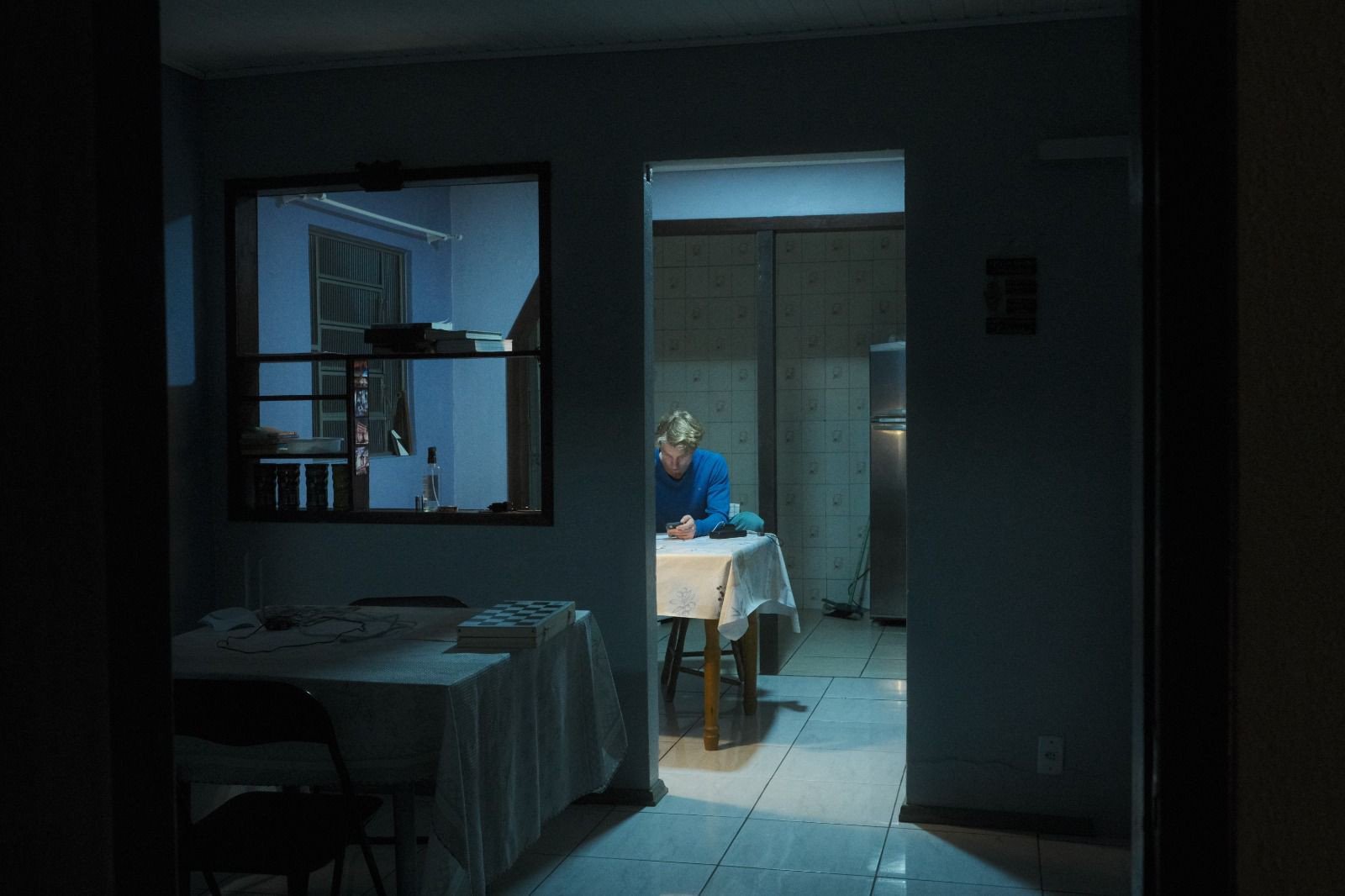
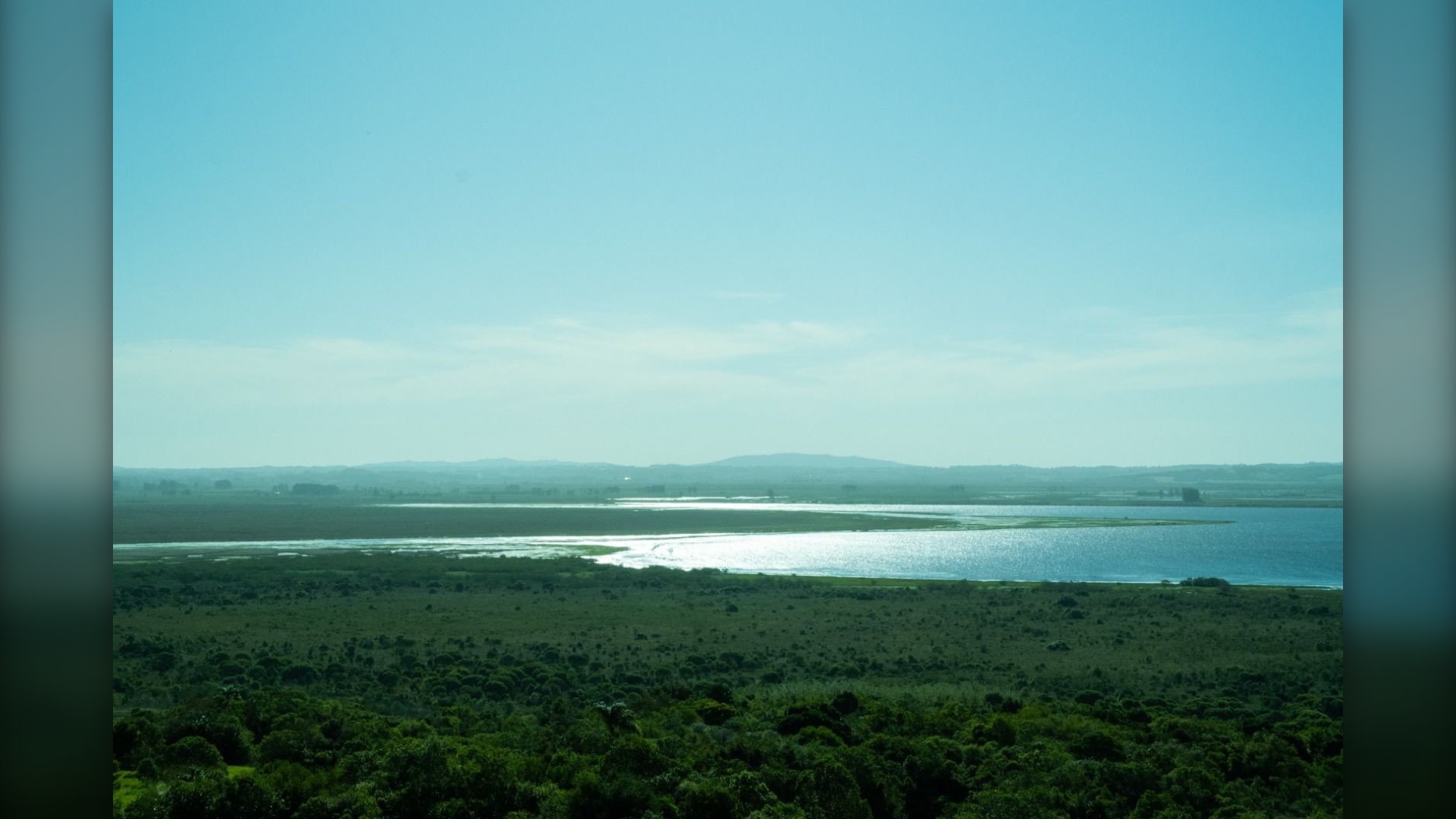
Before I tell you about my personal experience here in Brazil, let me briefly state where I am and what the context is: I am in Brazil since October, as part of the European Voluntary Humanitarian Aid Corpse for a 10-month stay, involving cultural exchange, work, as well as regular language classes. I am working at a project called Umbúntu in Alvorada, close to Porto Alegre. Porto Alegre is the southernmost major city of Brazil and situated in the state of Rio Grande do Sul.
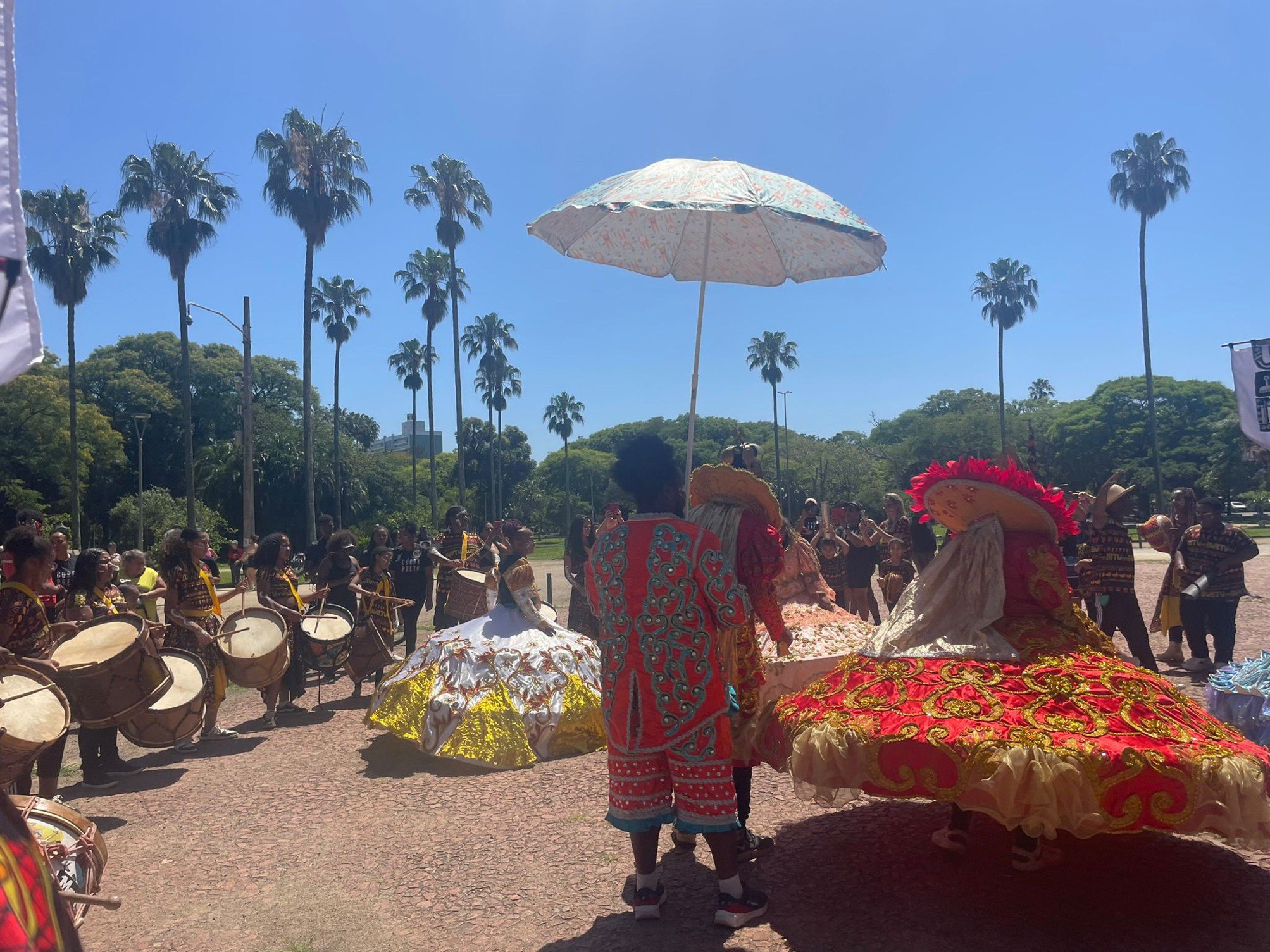
Umbúntu is an environmental and social project, empowering locals with Afro-Brazilian traditions. Run by a couple and several local volunteers and interns, the project lies lies within an inofficial settlement, a favela (or villa, in the regional language) at the very end of the city. The site of Umbúntu consists of several eco-buildings, a garden, an agroforest, and some barren land. Within a bit less than a hectar of land grow fruit trees (Citrus trees, Banana trees), vegetables and herbs. At Umbúntu locals can get cooked meals once a day for free, as well as packages of staple food, once a month. Several young people work at the project and do internships or volunteering. Umbúntu is at the same time their family and social point of reference where they just spend time together. Apart from the activities related to food and agriculture, the people in the project practice Afro- Brazilian traditions like Maracatu and Capoeira. Maracatu is an Afro-Brazilian performance tradition from the Northeast of Brazil, involving a drumming band and costumes, evoking both Portuguese Monarchical dresses, as well as West African ceremonies. Capoeira, more well known, is a type of dance that was used by slaves in an attempt to disguise their martial arts practice. It does not involve physical contact but acrobatic moves, jumps, and kicks and is accompanied by drumming, chanting, and clapping.
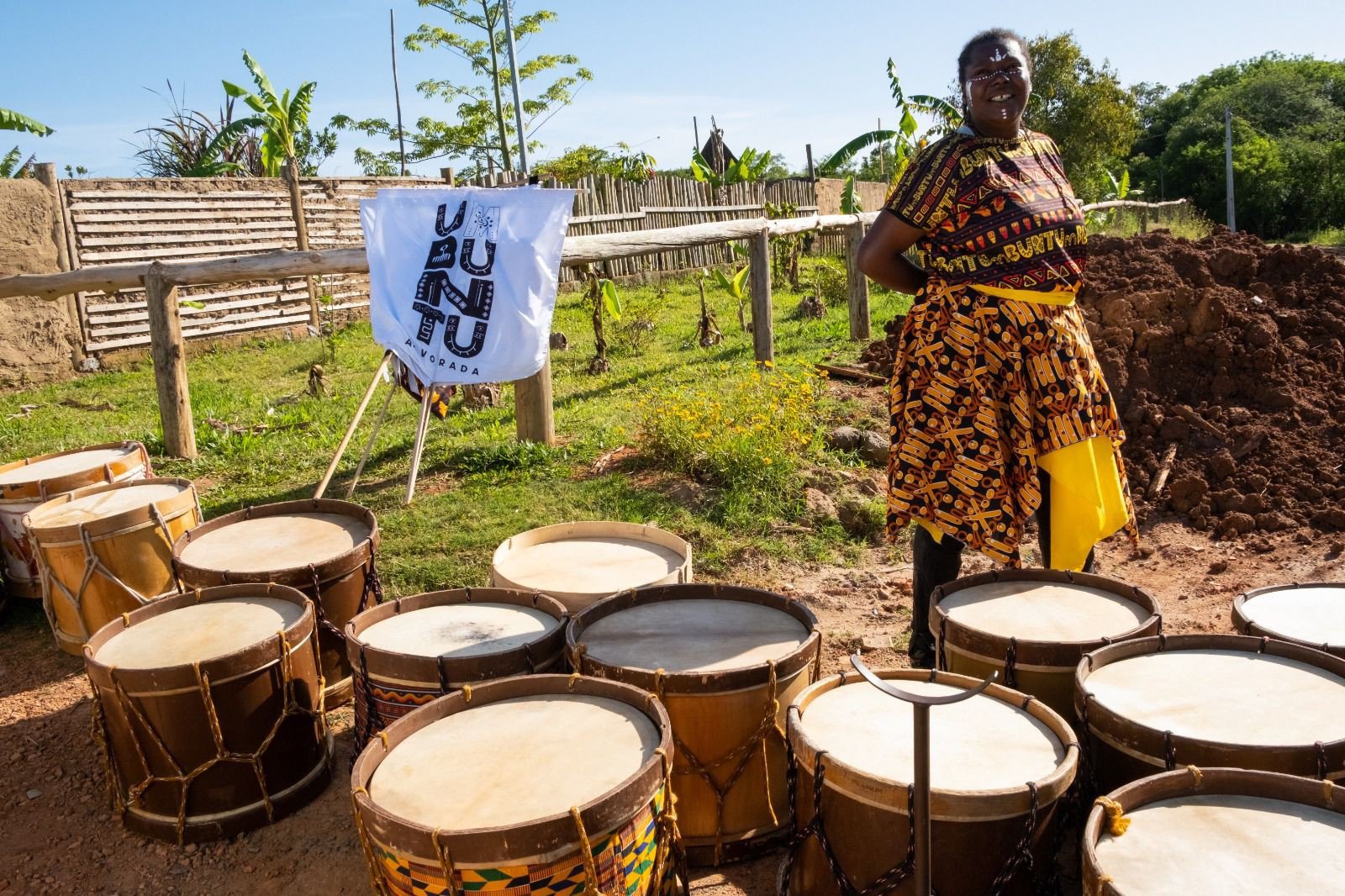
The Maracatu band has regular perfomances at schools, social projects, political and cultural events. The project has a Quilombista identity – meaning that it identifies with the Afro-Brazilian black population of Brazil and a specific social movement (Quilombismo) that tries to achieve access to land and legal rights for Afro-Brazilians. Quilombo is the term for historic settlements established by runaway slaves that resisted the Portuguese and Brazilian state authorities and had their own economies, political organisation and philosophies. Umbúntus black identity stands in sharp contrast to the demographics of the state it operates in – Rio Grande do Sul (RS) – the southernmost state of Brazil, which is mostly white. Rio Grande do Sul is also one of the most racist states in Brazil, accounting for just 5% of the population but more than 20% of the reported incidences of racist discrimination. My tasks at the project site revolve around agriculture, eco-building, providing food, and the performances of the Maracatu group. I am here as a European, supported by the sending organisations ICJA and PIYA. As well as by the receiving organisation ICYE Brasil. I received initial face-to-face training for one week in Bochum, with a group of volunteers for other projects around the globe. I am still in touch with the two sending organisations who paid for everything required to come and stay here: all costs related to the initial training, vaccines and insurance, flights, accomodation, food, and pocket money, everything.
Now, let me tell you about my life here, obviously starting with the positive things: The best thing is, that I have a perfect work-life balance. Before coming here, I studied Philosophy and Global Studies until I received a Masters degree. As a student I got used to studying every day and not having much of a fixed routine. All the physical exercise I got back then was based on my own plans. Here, I have a very clear structure: On Mondays, Wednesdays, and Fridays, I go to the university in the “big city”. On Tuesdays, Thursdays, and Saturdays, I go to the ecological project in the Vila (Favela). At the project, my work is physical, at times exhausting and hard. At the university, I get into touch with university life, practice Portuguese, get input. For me, this is a perfect balance.
When I go to the language classes, I leave the suburb and my apartment. We go by bus, for my standards a wild ride, I see all sorts of people, experience the public life, get the chance to visit public places like parks or markets…Interact with other international students taking the Portuguese classes for foreigners. Sometimes we go to restaurants, who serve some form of blend of fast-food mixed and rustic traditional dishes, generally All You Can Eat buffets for between 3 and 5 euros.. The city is a bit busy with cars and people, but it is not overwhelming or hectic. We walk around or sometimes take a Uber.
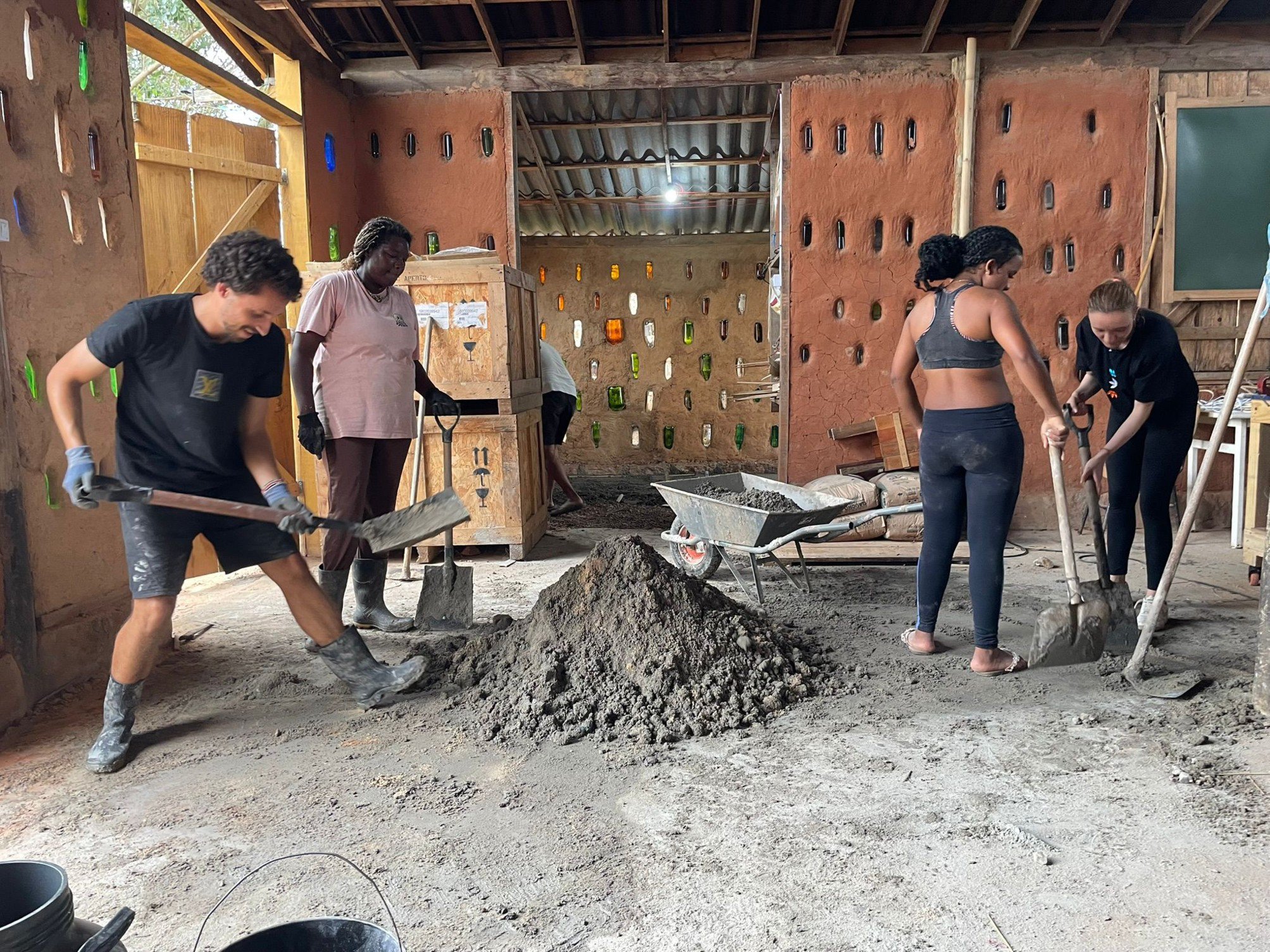
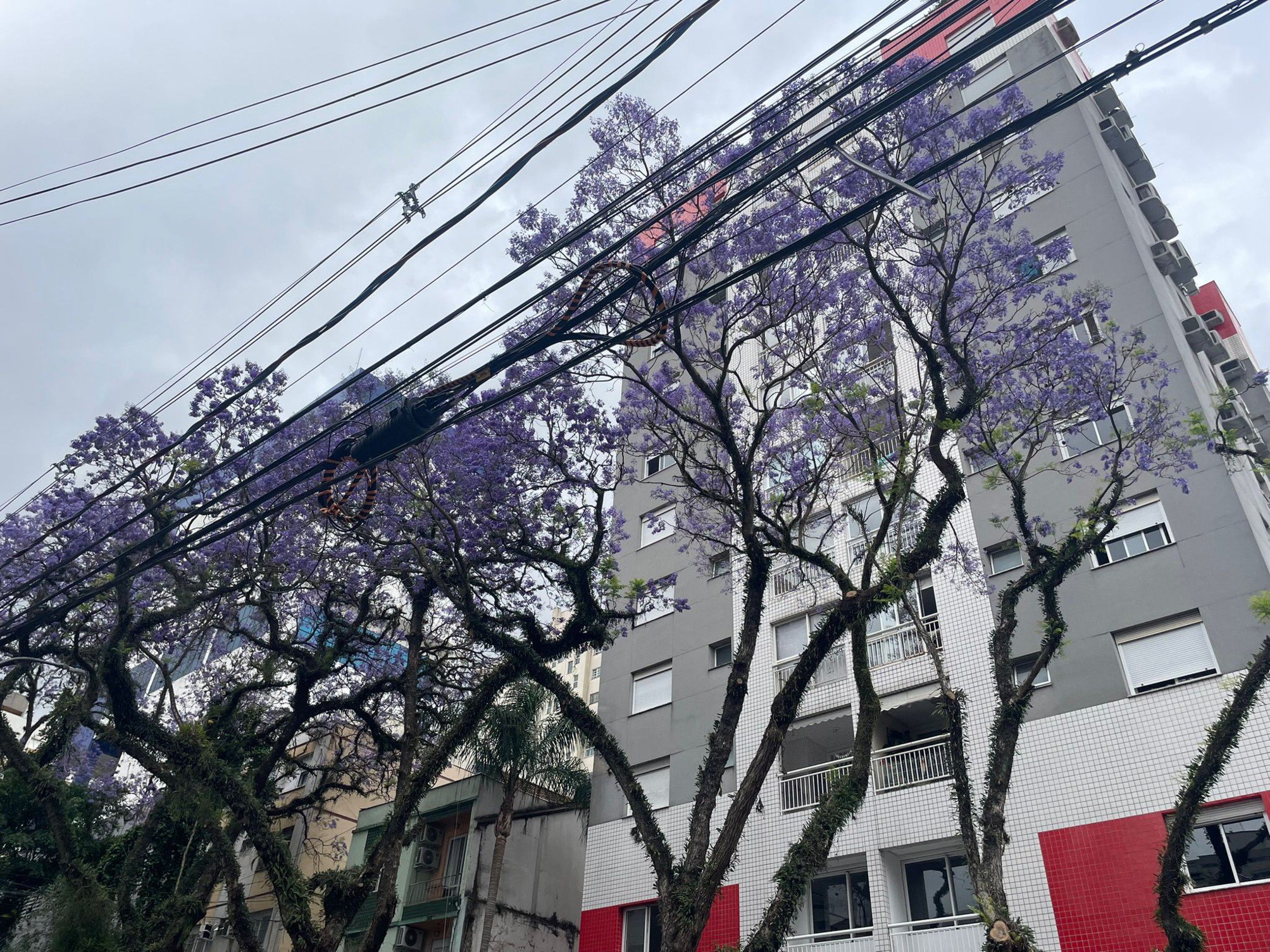
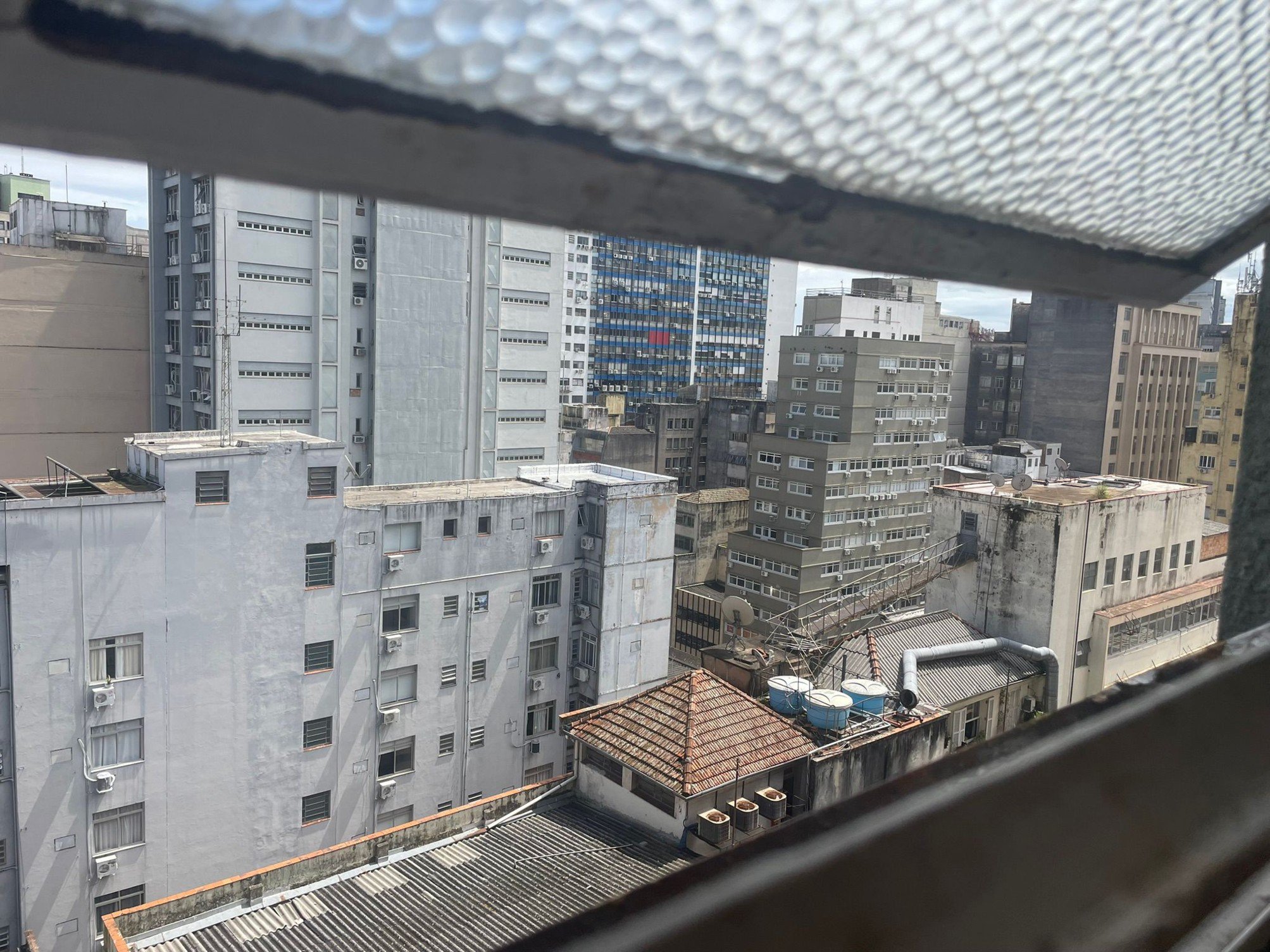
What I like about the city is the blend between more historical buildings from the 19 th century and more modern, almost brutalist buildings. Some of the views give me a sense of endlessness or remind me of some Anime movie. Around the time of my arrival some prominent trees were in blossom, a purple flower that contrasted well with both the older buildings, as well as the concrete or glass from more recent times. On Tuesdays and Thursdays I go to the project site (ONG). We take a Uber all together, three or four volunteers, some of the younger people from the project. Like the Bus rides, some of these journeys feel a bit too turbulent for my liking. Once we arrive the surrounding is more green, there are occasional dogs, bees, fruits, as well as many plants that I still do not understand. It is a lively place but not hectic and you can always find a calm place to relax if you need to be alone. We work a lot with earth – moving earth to shape the landscape, to mix a type of concrete, or by digging holes…We also work with plants, pulling out weeds, moving compost, shredding stems, felling trees, planting seeds or seedlings. We built a roof with wood, walls with clay, dug out and planted banana trees, and we cut banana leafs with machetes (feels like fruit ninja). Some of the banana fibres are processed to a type of artificial hair extension, a manual task that is still in the process of being developed and requires some experimentation.
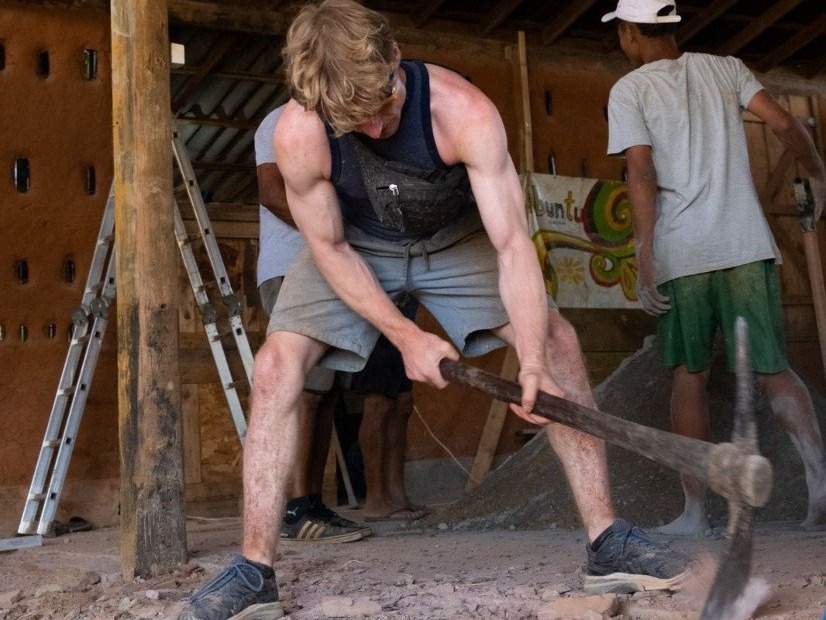
Some of the tasks are quite exhausting, especially if you repeat the same movements with some force over several hours. But for me this is welcome exercise. Those who do not want to perform the more physically exhausting tasks do other things like working with plants or the banana fibres. We are not forced to work. I definitely gained weight here – food portions are big, high protein, high calories. We often drink lime or pineapple juice, have cookies, sweets, rice and beans…There is often food around but it is sometimes just some form of flour with sugar, cookies or pancakes or something like that, maybe some milk. This is a normal breakfast for many people here. The coffee is weak and does not taste very good. Many things are different and have less aroma, chocolate does have a completely different taste (like cheap cacao powder) – a lot of this has to do with the way the global economy deals with commodities like cacao and coffee. Saturdays are pretty different from other days of the week: We come in the morning, do some easy tasks: watering plants, carrying things, maybe help preparing food. At some point the capoeira classes begin. We can join or do some more tasks in the garden. Capoeira moves are always done in pairs, two people who dance in rhythm and frequently make moves like jumps, kicks, handstands… it is a kind of choreography with a lot of spontaneity, the two participants do not touch but imitate attacks on each other. Some of the more ambitious moves are akin to handstand on one hand or backflips. While two participants dance, the others stand in a circle, clapping, chanting, and drumming, as well as playing the Berimbau, an instrument specific to capoeira. As volunteers we are encouraged to participate but not forced. It is up to us to how much we want to be involved and how active we want to be. After a communal lunchbreak there are drumming classes – we practice for maybe one or two hours until we leave for some form of performance. One time we just marched through the neighborhood to end up on a small family gathering, on other days we drive around with the van for hours and have no real idea when we will be home again. For some people this is exhausting but usually the mood is very good, very joyful and active, sometimes loud, always filled with music and rhythm… Saturdays are the most busy days of the week, both socially, and in terms of the overall time we spent away from home. We often leave in the morning at 8 or 9 just to return at 11 in the evening.
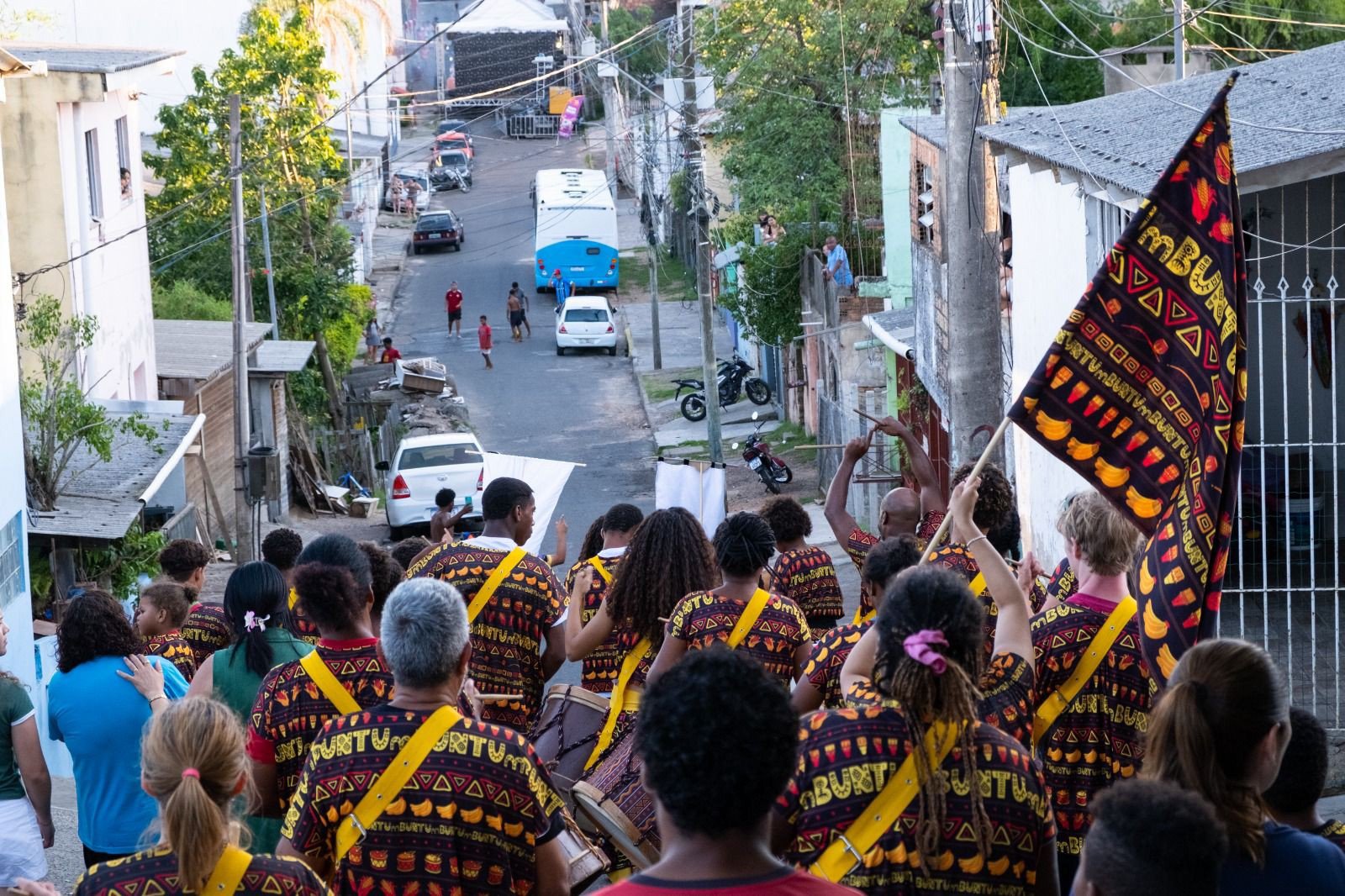
One was in a Favela, were we were spontaneously asked to perform at a second venue as an opening act for another concert. We then gathered all our drums again and marched towards the next stage through the Favela for maybe 40 minutes. Marching through the tiny alleys with brick building, people watching out of their windows, the sound of the drums reflecting from the walls… beating the drum in perfect sync with 20 other people after some seconds of silence gave me waves of euphoria that are hard to surpass! It took some time to learn the rhythms but now that I feel confident to know them, it gives me great joy!
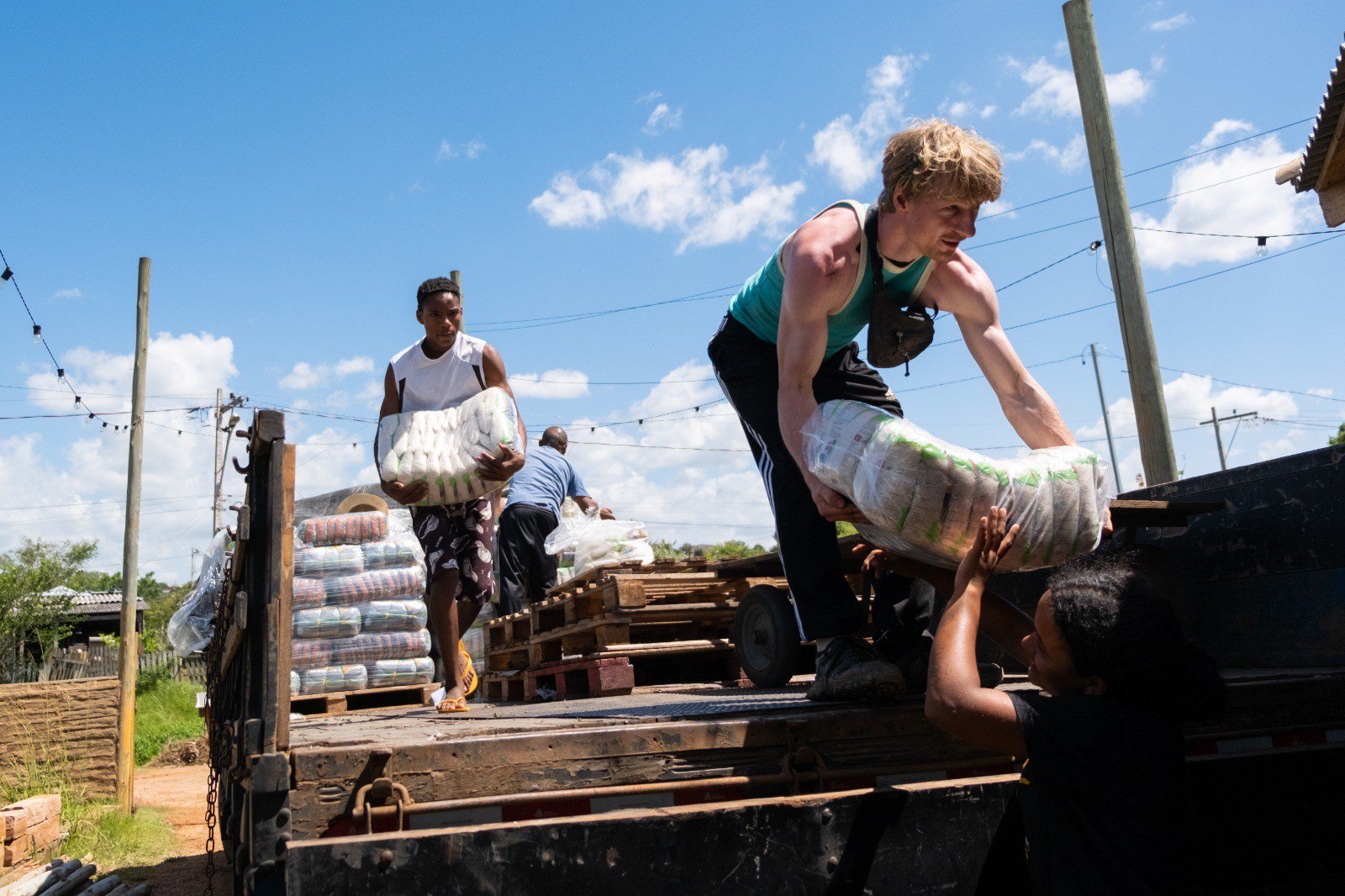
On some other days, once a month, there is a food distribution for the people in the favela. Umbúntu receives several tons of staple foods that are distributed throughout the day to more than 200 families from the neighborhood who come there to pick up bags of rice, beans, flour, vegetables, cookies. Another important part of my life here in Brazil is learning Portuguese. The university classes last 3 hours with very little breaks. Initially I found these lections not satisfactory as there was little active engagement. But everyone encouraged me to talk to the teacher and after I did she changed the classes a lot with more engagement and active participation. That was also a positive experience. To be honest what helped me more are Language Tandems. Before I came here I did some exchange on the app Tandem, it was very easy to find people who want to teach me Portuguese and learn German or English. Apart from that I use the app Duocards which I highly recommend (no I am not paid by anyone for saying this) because it has a built in translator for creating flashcards, it automatically generates pictures and example sentences, as well as explanations, and you can read any text on the internet and send individual words right to the app as new flashcards.
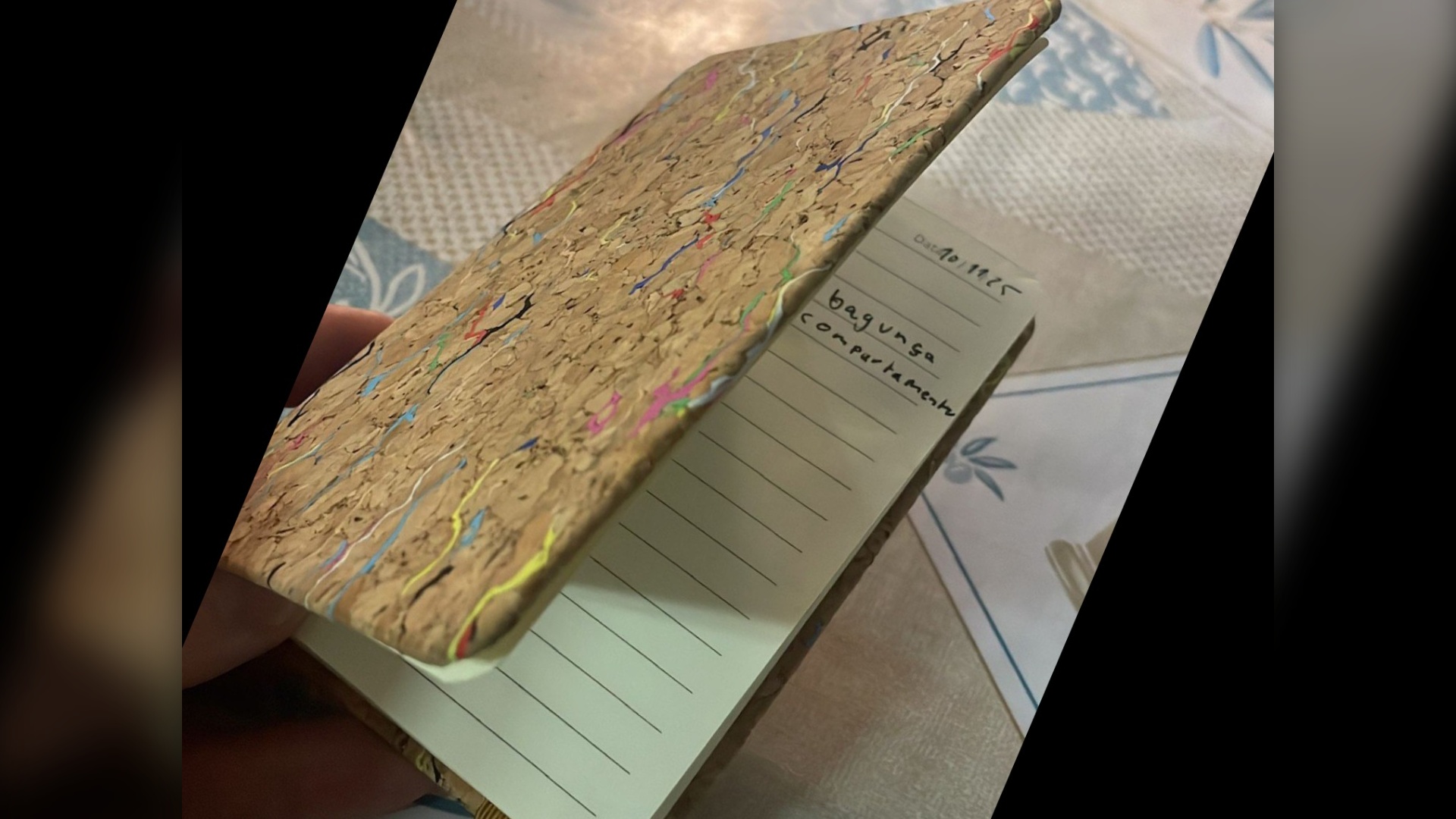
I carry a book with me that I put new words in. It is always in my pocket wherever I am and I often crammed it out in the middle of a crowded bus to write down some random word I saw on some billboard. Naturally, it also includes all the swearwords I gather from the teenagers at the project. Many people appreciate my efforts and it is a straightforward way to have conversations with anyone. Almost everyone I ask enjoys explaining me some word or telling me their perspective on what is important to know. By now I know enough Portuguese to do everything in daily life. Especially older people or people who are very hectic are still difficult or impossible to understand. There are lots of series and songs in Portuguese to practice, if anyone comes here, you can contact me and I can share my discoveries! I also record conversations and ask people to repeat things and I use apps to drill vocabulary. This all is very satisfying to me as I already can speak Portugues and read childrens books or newspaper without difficulties. I think it is a goal that can be achieved with consistent practice. Even without speaking Portuguese, most people I met were calm and easygoing. No one ever presses me to do things or urgently wants to know something or explain something. All social interactions I had so far were easy to enter and easy to leave. This is very different from what I am used to in Germany. It is difficult to put a finger on but I often have the feeling that people ask me to do things or want to regulate my behaviour. In Germany, very banal daily interactions come with a subtle sense of social responsibility or expectation, there are more rules and signposts about everything. Here, I have a sense of being left to do whatever I want, without anyone feeling the need to tell me what to do. Although people even great each other on the street, I have a general feeling that people do not care so much about other people and in a sense it feels more individualistic to Germany or other places I have lived in, such as Denmark. I still want to understand more about that and interview more people or read more sociology books, in order to understand that vague feeling. One thing I also really like is the fact, that there is music everywhere. The teenagers play music on their phones every day, sometimes they will start singing or clapping, someone starts rapping.. It is often silly but often rhythmically more complex or catchy than what you would expect.
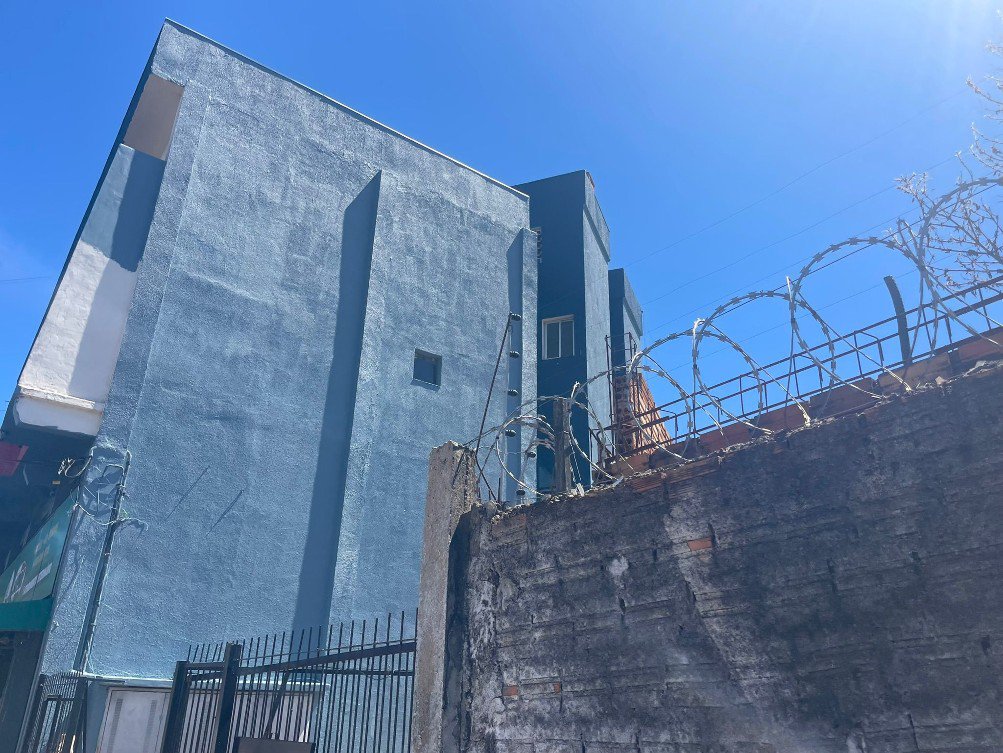
There are big speakers with different types of music playing throughout the day, everywhere in shops or at private homes, or outside on the streets. At the project site there is a very big bluetooth speaker, one meter tall, that is used outside of the quiet hours around noon.. Some people play Brazilian classics like Elis Regina, Chico Buarque, Gal Costa, Gilberto Gil. There is a type of music called Pagode, which I did not listen to before and have not fully come to love yet but is very popular here. Often we also hear Brazilian “Funk” (Funk Carioca)– music with explicit lyrics, often cheap production, often covers of known songs, always the same set of sound effects and rhythms.. some similarities to Afrobeats or Reggaeton but different. If the lyrics are too explicit, some responsible person will turn it off. In any case, music is highly appreciated and no one will complain if you put on music. Of course not everything is perfect, and there were also some difficulties or things that I did not like. One of the most unexpected things for me is the lack of public spaces: there are no cafes, no parks, no forests or green areas, no public market places, no libraries, not even a train station or a pub. All there is in Alvorada are roads with shops selling phones, shoes, car parts, meat, groceries, electronic goods (generally fake and cheap). The traffic is horrible compared to German standards, but I was told that compared to Istanbul it is a relief. I miss just going out to meet friends in a park or at a café, sitting in some quiet place to write or read… What is equally absent to me is public debate, political discussions… These topics are avoided very often and people talk about other people, about parties, dances, about personal problems or about mundane things like the dogs or cats or the next delivery or the neighbor. There is a lot of “Fofoca” – the Brazilian term for “gossip”, generally less negative and often just involving stories about people, revolves around relationships, events, tensions. People also warned me a lot about dangers and there is a general sense of anxiety and seclusion. Many houses have fences, cameras, dogs, razorblades, electric gates. I am constantly warned about dangers. While it is important to listen to specific information on where to go or not to go, the Brazilian warnings are often very general and not helpful – such as: do not trust anyone, do not go to Rio de Janeiro, it is dangerous. At night very few people are outside. But I feel safe! Sometimes I am worried about getting robbed but violence generally happens between people who are in criminal groups. I usually go everywhere by Uber or with car, almost never alone, I leave my belongings at home. I take it as a real possibility to be robbed, since it sometimes happens, but there are ways to prepare yourself for it. I am more worried about stray dogs and cars then about violence or being robbed. I think the statistics back me up. If you are anxious about crime, you are in good company here and can just hide behind the fences or in cars with tainted windows like many Brazilians.
To me, all these things do not matter so much. I thrive here – I have regular exercise, nutritious food, I am constantly among people, my house is quiet and safe, I have no stress or pressure whatsoever, I have regular intellectual engagement in the form of language learning or cultural conversations, all the people around me treated me very respectfully… Really, I cannot wish for more, I can ignore the absence of parks since I have many liberties to go to the city, meet people at their house, go to the project to work in the garden, meet dogs and cats, listen to music, read books…. I feel happy here and I think many people would feel the same. To anyone considering a stay here and wondering about what you need in order to have a good time here: I think it is essential to be open and curious, to accept misunderstandings or tensions, to stay among people even if you understand nothing or you do not feel at ease… But if you do all these things, there is a great joy to be found in this project as there is a lot of love and a lot of energy… What is also important is to be open about outcomes and plans as many activities are not structured – often things happen unexpectedly and in succession. You do not need much of a calendar here and trying to have regular daily or weekly events at specific times is not easy, since there is a general expectation to be part of the community and to be spontaneous and available. As a white person from Europe I am privileged and blessed by sufficient money to go through life. I perceive this inequality, but still from the perspective of privilege. Seeing how little people have and how they try to get by often makes me question what justifies the relative wealth I have in Europe, or even as a volunteer. It gives me a lot of time to think and everything around the idea of property and wealth appears differently when seen from this side of the globe. I do not expect to make a big change for anyone in the area here.
Sometimes I can help people by showing them things they don´t know – such as ways to prepare vegetables, music that I like, books and movies I enjoyed… Stories from my life or advice on language learning. For many people it is just interesting to see foreigners since there are not many here – several people I met told me they never met anyone who was not from Brazil! They are curious and ask quest
ions about why I am here, how on earth I chose Alvorada as a destination. For some of the teenagers I can be a role model or inspiration, and I had some conversations were I could express my outside perspective.. tell them what I think they are good at and what I see in them, or what I think they should expect or demand from their
 friends… In this respect I can be a positive influence, but I do not think I can change anything about their overall life situation. I can just be part of this project and integrate as well as I can, going along with the good things while being critical and honest were I think it is justified. For many people in the project Umbúntu is their family and their peer group, they find a safe-space in an environment or personal life that is often marked by violence, poverty, absence of structure or reliable relationships… To see how these people get along and how they cope with their everyday struggles, and to see that they are proud and strong is something that fills me with humility and respect. All I can do is to learn from the people here, to be humble and to not expect anything, to go along with them and support them were I can, without asking for anything in return…. Doing this, I found great satisfaction in my life here and I wholeheartedly support and admire this project. I am grateful to be here and I am fulfilling a lifelong dream of going abroad, learning a language, getting to know another culture. It is not an academic project, but it has real local ownership, is part of the local community. It is a project that supports people in need and offers a perspective and love to people who sometimes do not have a lot of that around them. You can learn a lot here!