Where the Roads End: Finding Connection in Rural Nepal
Blog post by our volunteer Wiktoria
Barely graduated, full of hopes and expectations—that’s who I was when in August 2025 I boarded the plane that would carry me to Nepal. I was eager to “help,” armed with theory, diagnostic frameworks, and a quiet confidence that I would make a difference. Little did I know that rural Nepal had other plans for me.
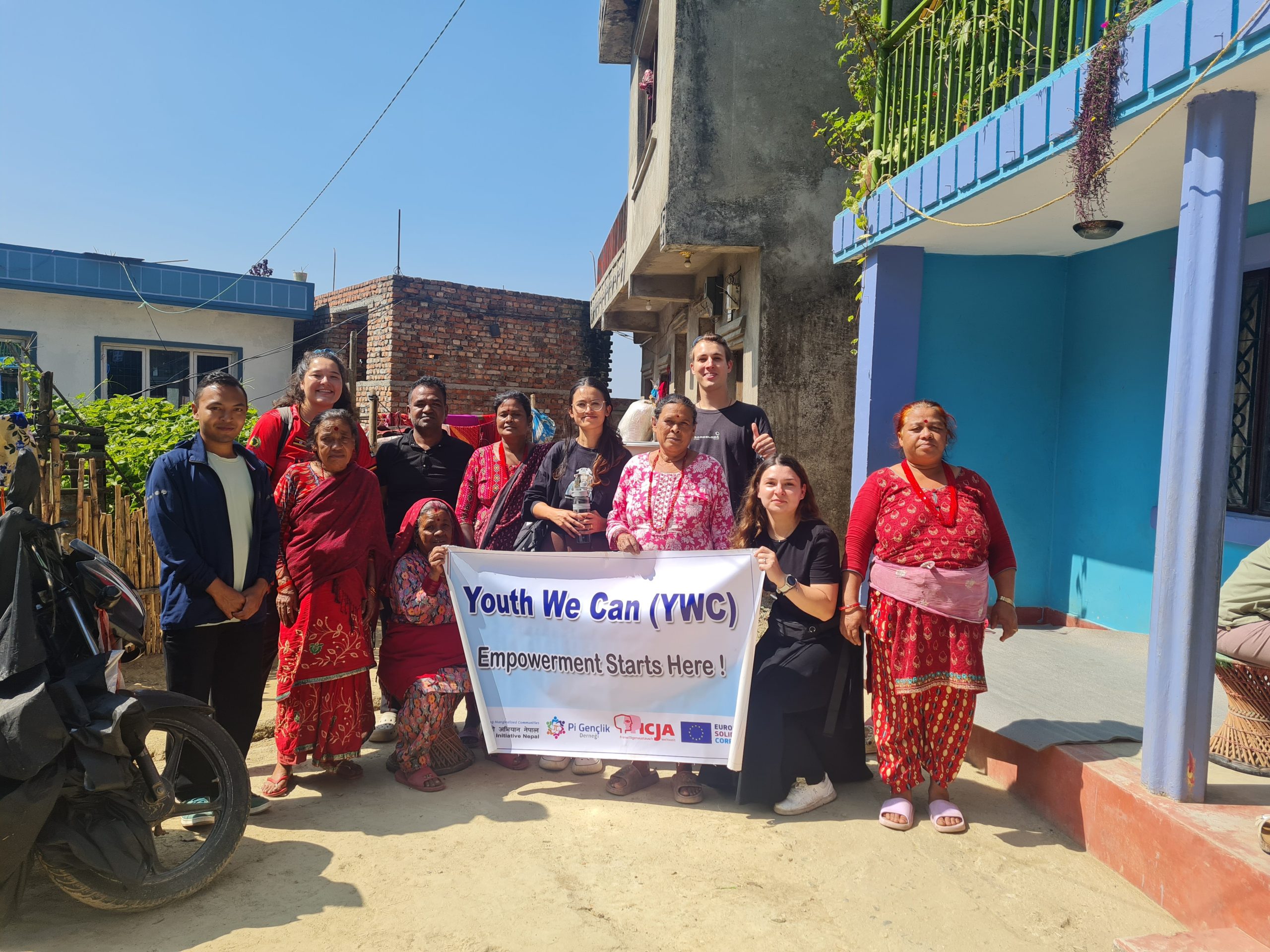
My village, Jitpurphedi in Tarakeshwor-3, sat between terraced hills and winding dirt roads that disappeared into forests. It was breathtaking—and completely disorienting. There were no street signs, no consistent electricity, and definitely no therapy rooms with soft lighting and comfortable chairs. My “office” became whatever space was available: a school bench, a shaded courtyard, sometimes just the ground under a tree. What surprised me most wasn’t the lack of infrastructure—it was how little my usual tools seemed to matter.
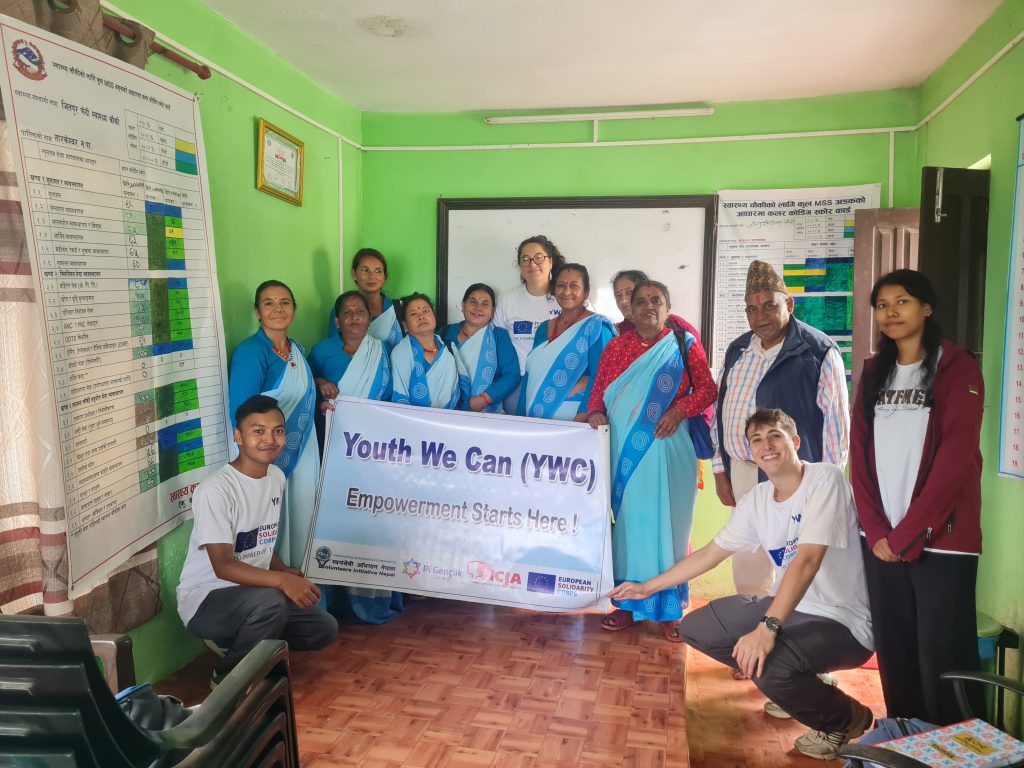
First reality check: Western psychology doesn’t translate easily. I quickly realized that many concepts I had studied, which promised universal effects, didn’t fit into the local context. People didn’t talk about “anxiety” or “depression” the way I expected; distress was often described physically through headaches, fatigue, or stomach pain. At first, I tried to gently steer conversations toward familiar frameworks, but it didn’t work. The turning point came when I stopped translating their experiences into my language and started learning theirs. Local beliefs, spirituality, family structures, and community roles shaped how people understood suffering. I wasn’t there to impose meaning; I was there to understand it. But that was no tthe only big difference that made me pause and reconsider.
Back home, therapy often focuses on the individual, but in Nepal, the individual barely exists outside the community. Problems were rarely “mine”—they were “ours”. Decisions involved extended families, and healing often happened collectively rather than privately. It challenged my idea of what “help” looks like and made me realize how powerful community-based care can be.

And now dear reader, you may ask, how did I even communicate? Did I know Nepali beforehand? No. Did I learn during my stay? A bit. But absolutely not enough. Nepali is a very demanding language and learning it is a slow process. The solution was translators, especially my dearest friend, Balaram. Even then, something always got lost; emotions are nuanced, and translation often flattened them. I had to rely on more than words: body language, tone, and silence. Silence, especially, became a new kind of communication. At first, it felt uncomfortable,like I was not doing enough. But over time I learned that silence can hold space in ways words cannot.
I also learned to let go. This was the hardest part, I am not gonna lie; I arrived thinking I would teach, but instead, I spent most of my time learning from local health workers, teachers, and even children. There were moments I felt useless and questioned whether I was helping at all. But slowly, I understood: my role wasn’t to “fix” people. It was to support, collaborate, and sometimes just be present.
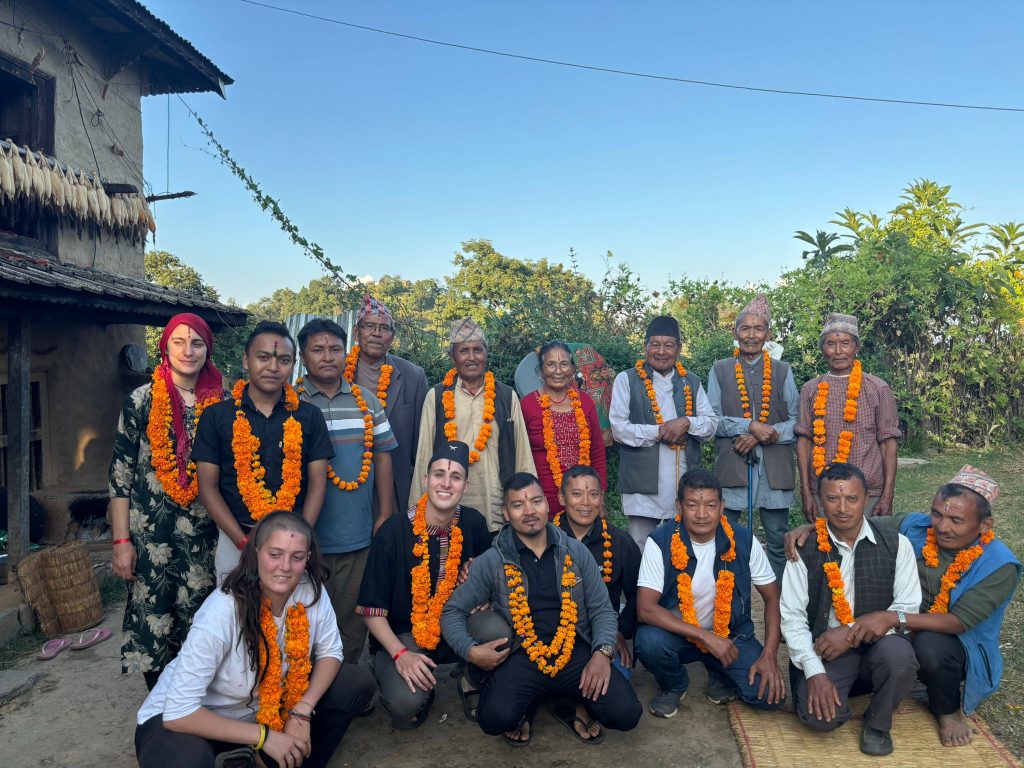
The stories of rich cultural heritage and the vast differences between ethnic groups stayed with me. Loss, poverty, migration, and trauma were not abstract; they were daily life. Without usual professional boundaries, it became overwhelming at times. I had to build my own coping strategies: journaling and taking long walks through the hills—which were mandatory since there was no public transportation to the communities. Most importantly, I allowed myself to feel without trying to immediately “solve” everything.
All this being said it is just one part of volunteering experience. But what words can not convey is the everyday amazement you are going to experience such as monkeys sitting on our balcony, splendid festivals full of songs and colors. And the food—my dear God, the food. Coming from a country where the national dish is basically potatoes with cottage cheese and a pinch of salt, the flavors of the Nepalese kitchen ( that due to its proximity is similar to Indian) were the most overwhelming experience of my life. An done that I will greatly miss.

So, dear reader, if you want to experience something that uproots your world and tests everything you thought you knew, apply. And if you feel like you’re not ready,that it is too much for you, apply anyway. I believe there is no better way to grow than get out of your comfort zone then the wild step into the unknown.