Beyond Volunteering: What Ghana Taught Us
WELCOME TO OUR BLOG!
We’re Paola and Lucía, two volunteers from Spain taking part in the SASID project in Ghana during 2024/2025. Before we dive into our experiences here, we thought it would be nice for you to get to know us a little better—and to understand why we chose to join this adventure in the first place.
I’m Paola, and I was the first to arrive in Ghana, back in September 2024. Now, the end of my project is just a few weeks away. I’m 24 years old and originally from Andalusia, Spain. I studied Law, and I’m currently doing a master’s degree in human rights, specializing in Immigration and Foreign Affairs. A few years ago, I started getting interested in the cultures of North Africa, and I absolutely fell in love with them. That curiosity made me want to discover more about West Africa, and that’s what brought me here to Ghana, for my first volunteering project. Even now, I still feel the same excitement about exploring new places and ways of life.
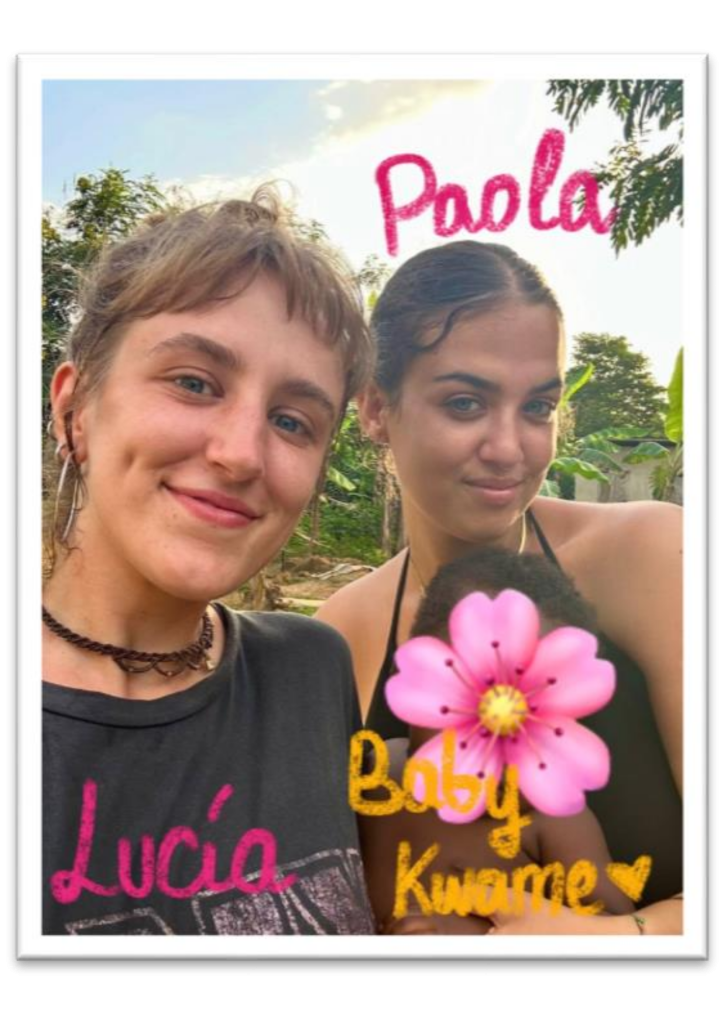

I’m Lucía, and I arrived about a month and a half later due to some logistical issues, so I’ll also be staying a few weeks longer. I’m 26 years old, also from Andalusia, and I studied Modern Languages, Culture, and Communication. Since graduating four years ago, I’ve been traveling and trying to find my place in this big, fascinating world. I’m passionate about education and art, and I’m deeply interested in how people around the world live, think, and express themselves through different cultures. I had volunteered before coming here, but this is the first time I’ve joined such a long-term project.
SASID PROJECT
When we arrived in Ghana as volunteers for the SASID project, we believed we were joining an initiative with real impact. The project is based in Kuntanase, a small village near Asikuma, a community located in the Central Region, and it is officially described as a volunteering program aimed at strengthening the community through sustainable development, education, healthcare and youth empowerment. According to the project description, volunteers are offered the opportunity to engage in a wide range of activities.
However, once we arrived, we realized that things were not exactly as expected. Although we did have some beautiful memories that will last forever and learned a lot from them, we also faced unexpected challenges – from a lack of organisation to moments when we felt lost and unsure about what to do. Even so, these experience also became part of our learning journey, and we are grateful for it.


LIVING IN GHANA: ADAPTATION, CULTURE AND SURPRISES
One of the most intense parts of the experience was adapting to daily life in the village. From taking buckets showers to living without gas for months, every day taught us a lesson. Life in Ghana runs in a different way: things are slower, and schedules are different and flexible. Local people welcome us with warmth, although we also had to get used to being called “obroni” (can be translated to white man) every time we go out of the house, constant questions and being the center of attention without meaning to. After some time, we can see that we slowly learned to blend in, to greet people properly (“You’re welcome” – even before saying anything or adding “please” at the ending of every single sentence), and to enjoy life with less stress. And of course, we cannot forget about the food. Apart from Jollof or Fried rice, dishes like Fufu with ground- nut soup or Banku with Okro Stew became our favourites, but the majority of the days we ended up eating noodles, yam or plain rice due to the lack of options available.

CULTURAL DISCOVERIES AND EVERYDAY CURIOSITIES
This experience brought many small cultural shocks and surprises that gradually became part of our daily routine. One of the first things we had to get used to be the way people move around. They use something called “trotro”, a shared minivan that operate like informal public buses. There’s no schedule, no official stops, just loud shouts from the mate (the driver’s assistant) and lots of squeezing. At first it felt chaotic, and it was such an adventure, but over time we learned to deal with it and even enjoy it. We also noticed that Ghanaians wake up re- ally early, they start their routines at 4 or 5 in the morning, even the children. The mornings are full of activity, and it taught us something about discipline and starting the day with purpose.
Another daily challenge was fetching water. Since we didn’t have running water at home, we had to collect it ourselves. We had to walk to a nearby well, fill up big basins that we call “pans” and carry them on our heads, until we reach the house, where we pour it into a big storage bucket. It is a physically demanding experience but made us appreciate something we always thought it was granted: easy access to water. As for souvenirs and little things that we like, we each found something that we’ll definitely take home with us. One of us fell in love with the colourful waist beads, which carry deep meaning in Ghanaian culture, representing femininity and beauty. The other one became a fan of the classic and colourful hand- kerchiefs sold on the streets, which are often used for wiping sweat.

TRAVELLING THROUGH GHANA: THE PLACES THAT MARKED US
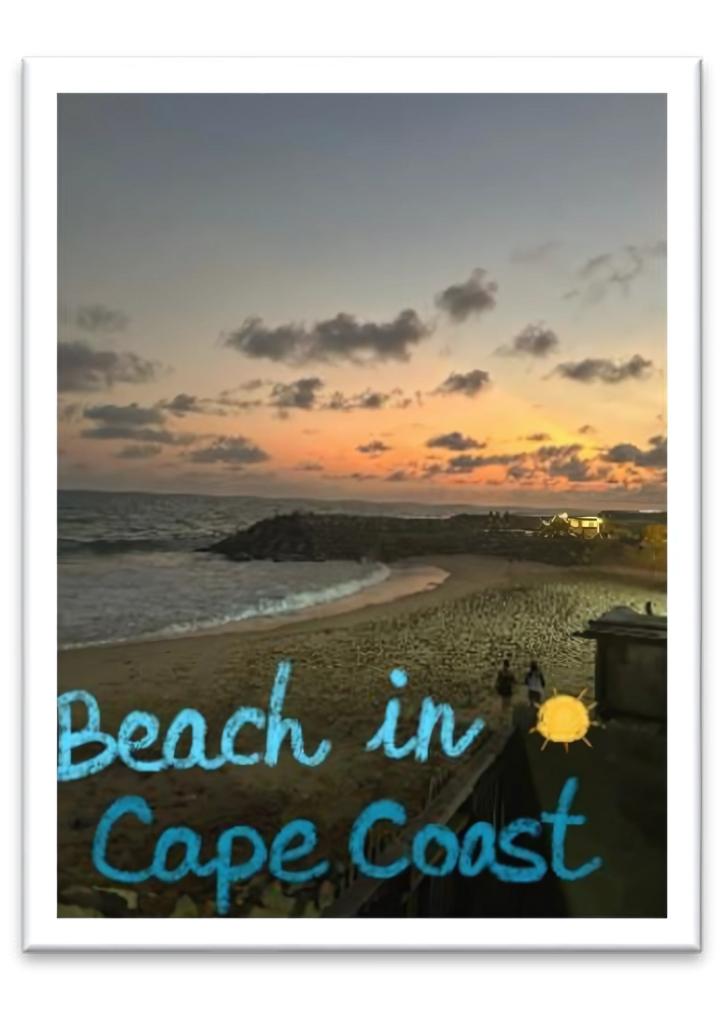
On weekends or days off, we took the opportunity to explore different parts of the country, and those moments were honestly some of the most memorable of the whole experience. One of our first trips was to the Volta Region, where we visited the Ote Waterfalls in Amedzofe. The experience was a bit traumatic because we took so many hours to get in there, since the traffic was crazy that day. However, it was worth it, because we found ourselves surrounded by mountains and in- credible views. We felt like the environment was a peaceful and refreshing escape from our daily routine in the community. In March, we visited Cape Coast, a place that was very meaningful for the rest of our experience. We loved the beach and the landscape. Walking through the colonial castles and learning about the country’s history of slavery was emotional and heavy, but necessary to understand Ghana’s past and its resilience.
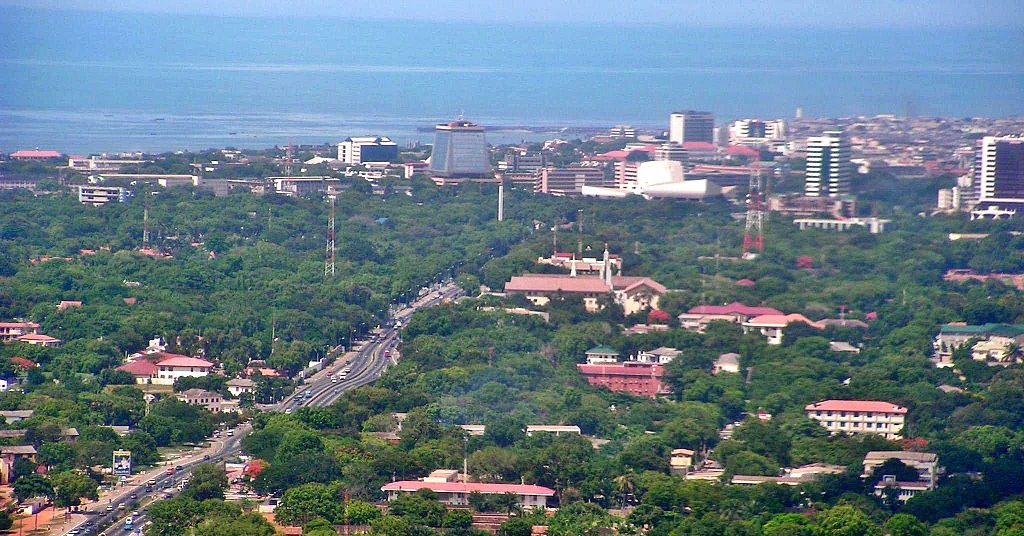
We also had the opportunity to explore very different regions. One of us travelled to the Northern Region, where she went on a safari and experienced a more rural Ghana, rich in natural beauty and wildlife. Meanwhile, we both enjoyed several visits to Accra, the capital, which quickly became one of our favourite places. We loved the vibrant atmosphere, the nightlife, and the way the city blends tradition with modernity.
In every destination, we experienced some- thing new, met people with stories to tell, and came back with a fresh perspective. Travelling through Ghana allowed us to see the diversity of the country and helped us understand more about it.
FINAL THOUGHTS: WHAT WE TAKE WITH US
The SASID project may not have been what we expected in terms of structure or results, but that doesn’t mean it didn’t change us. Sometimes, the most valuable part of volunteering is not what you do, it’s what you experience and what you learn. We leave Ghana with many questions, a deeper knowledge in international cooperation, and a more critical and conscious perspective. But above all, we leave with unforgettable memories, unexpected friendships, and a little piece of Ghana in our hearts. We came here thinking we would teach or help — but in the end, it was Ghana that taught us the most.
By Lucia Torres and Paola Lirio, SASID volunteers.