By Christina Ott
Humanitarian aid volunteering is more than just work; it is a commitment to supporting communities affected by poverty, displacement, or health crises. Guided by principles of humanity, neutrality, and impartiality, this work focuses on meeting urgent needs while deeply respecting human dignity. Whether local or international, these efforts—often in cooperation with NGOs—aim to provide immediate relief while building long-term stability and resilience.
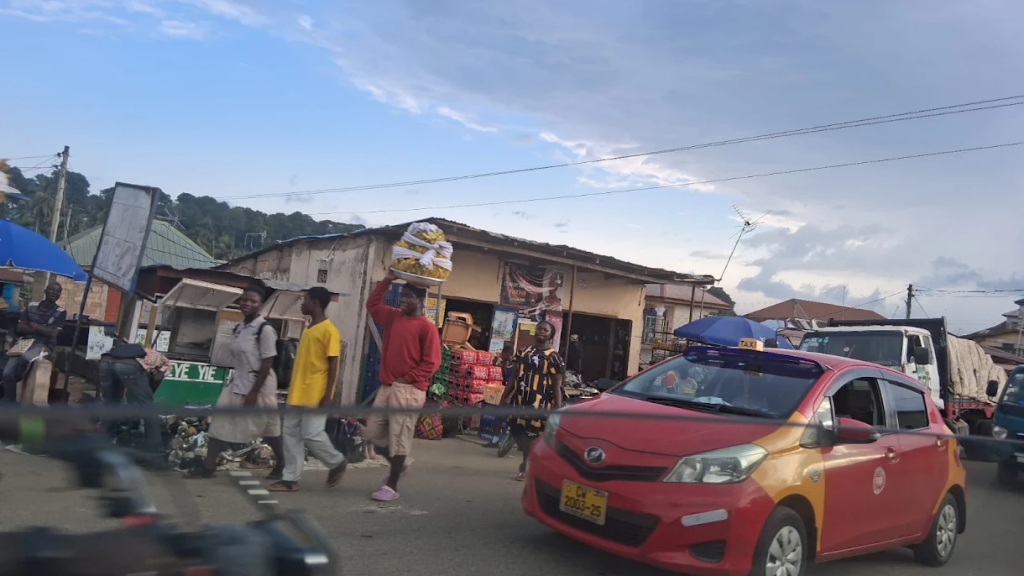
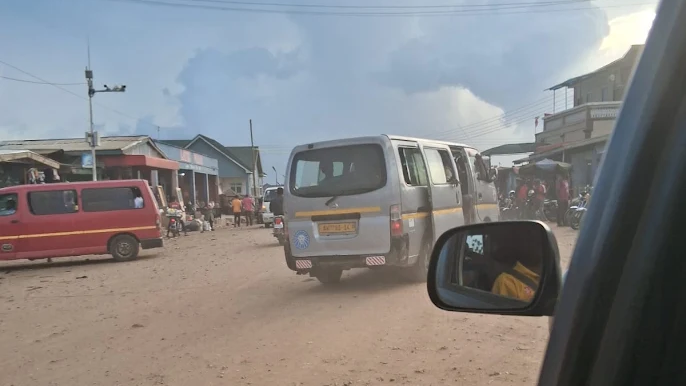
My Work in Asikuma I am currently volunteering in Asikuma, Ghana, working across a rehabilitation center, a school, and a hospital. These facilities are operated by the Salvation Army, filling a vital gap where state resources are unable to provide everything the community requires.
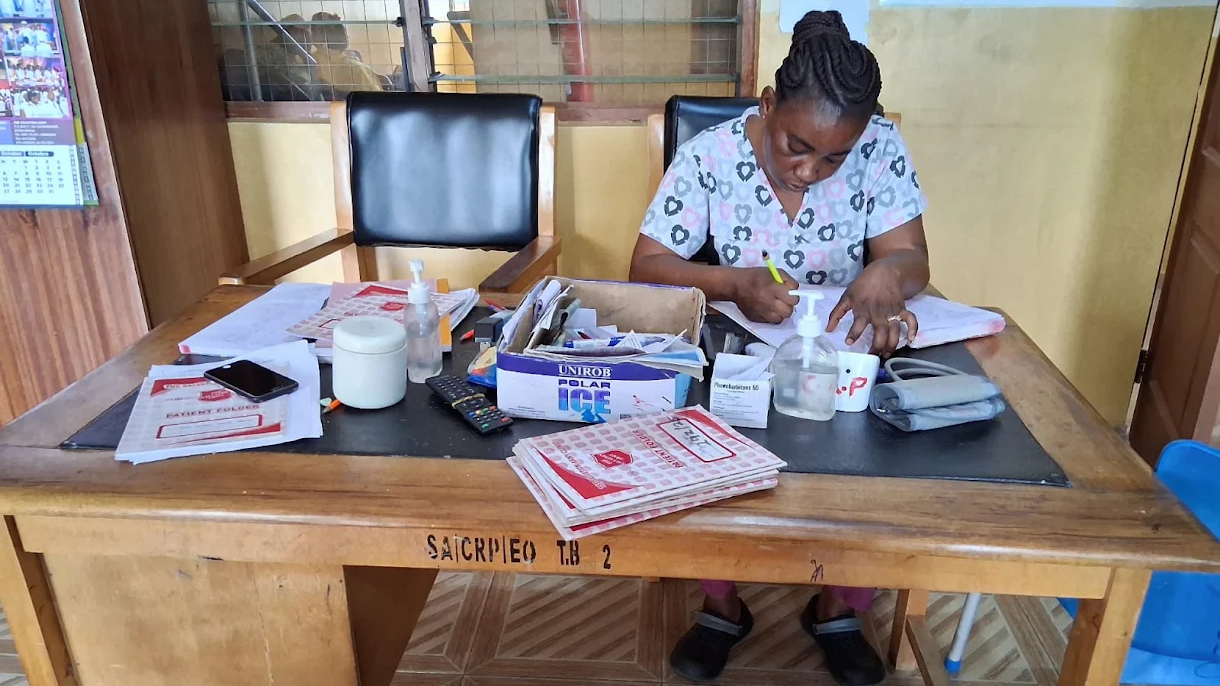
- The Rehabilitation Center: Our goal is the long-term ecovery of children. While the children receive essential therapies, their mothers also learn how to continue these exercises at home. The facility allows families to stay for long periods, and we even conduct home visits for children who cannot travel, providing them with clothing and medical devices.
- The School: This center offers children with fewer resources a chance to prepare for a “normal” school environment, welcoming students of any age.
- The Hospital: With various departments, the hospital serves as a critical resource for the townspeople whenever medical needs arise.
Personal Motivation and Daily Life My motivation for this project stems from a firm belief in supporting people with disabilities and those with limited opportunities. It is incredible to see how much is possible when people simply receive the support they deserve. My days are diverse and fulfilling. I have the privilege of assisting in every aspect of their work:
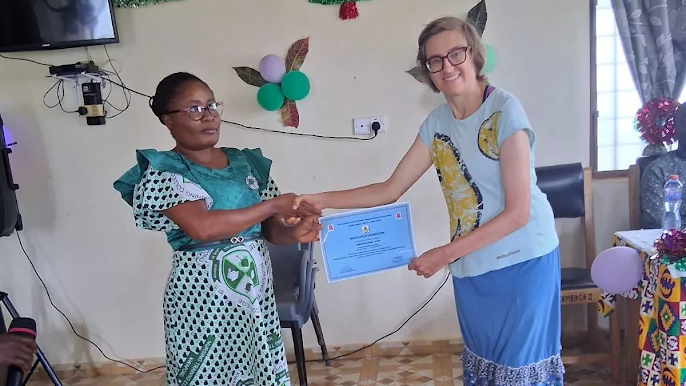
- Teaching children in the school.
- Conducting therapy sessions at the rehabilitation center.
- Assisting in the workshop making specialized shoes.
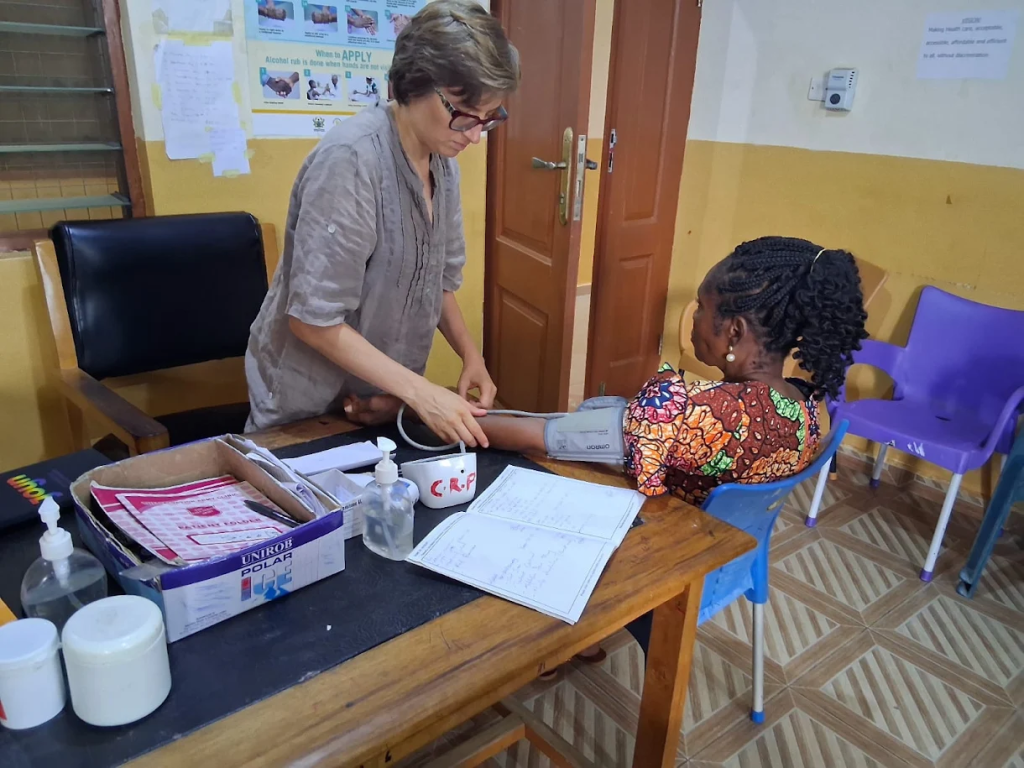
- Supporting the doctors and nurses with their medical tasks.
- New Perspective
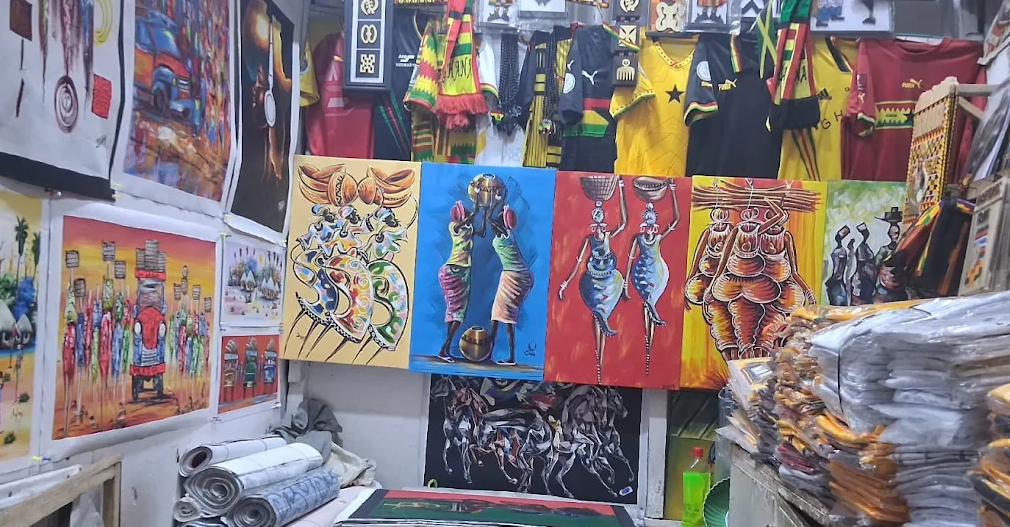
Staying with a local family has been a wonderful way to immerse myself in Ghanaian culture. It gives me a space to reflect on my day and see the reality of life here—which is often very different from what we hear in Europe. Despite the lack of resources, I am constantly inspired by how people manage their lives with such resilience. The professionals and clients have been so welcoming and grateful for my presence, but truly, I am the one getting so much back. This has been an unforgettable experience