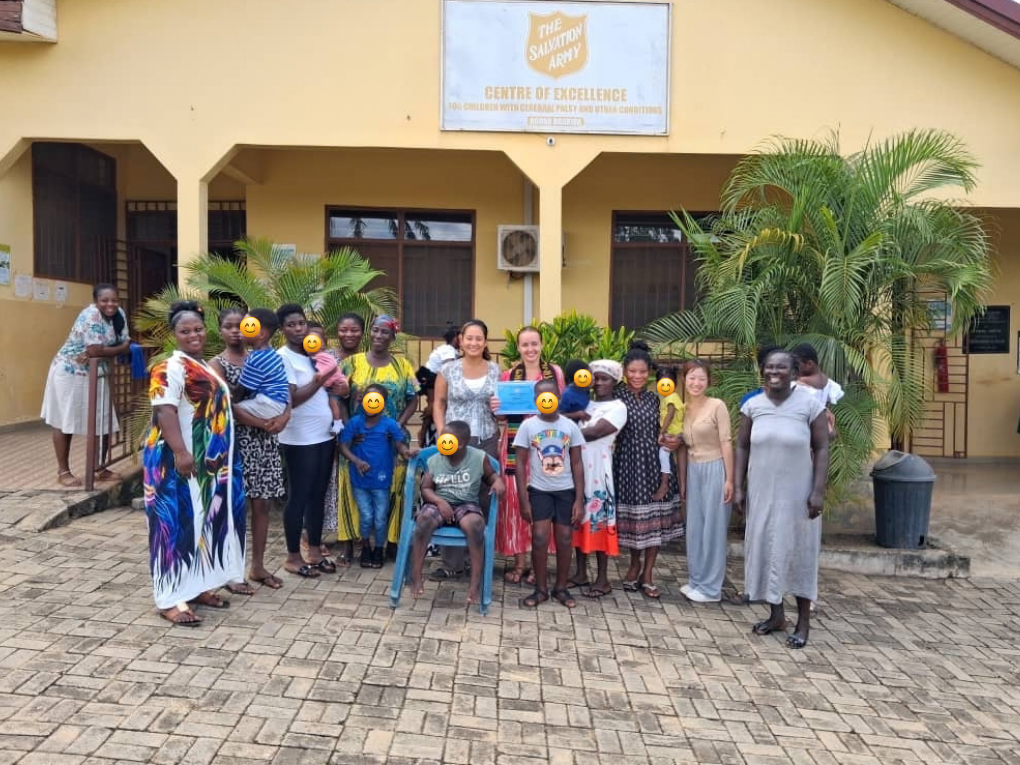
When I wrote my first blog post after three months in Ghana, I was still very much in the process of adapting. Everything around me felt new, unfamiliar and sometimes overwhelming. Looking back now, after spending eight months in Ghana, it is almost difficult to recognize that version of myself. Things that once felt strange, became normal, unfamiliar became familiar, and a place on the other side of the world slowly started to feel like home.
By my fourth month, I realized that I was no longer simply trying to adjust to life in Ghana – I was genuinely enjoying it. Daily life had developed its own rhythm. I had become more patient with the flexible understanding of time, learned that a bus leaves when it is full rather than when the timetable says so, and accepted that electricity, internet and running water cannot always be taken for granted. I became used to buying drinking water in small plastic sachets, shopping and bargaining at local markets, and having conversations almost everywhere I went. Even my music taste changed, with Ghanaian rhythms gradually replacing much of what I used to listen to. There were countless small cultural details that continued to surprise me. In Ghana, people can be called by the day of the week on which they were born As someone born on a Monday, I became Adwoa. Perhaps most importantly, Ghana taught me patience and the ability to let go of my constant need to plan and control everything.
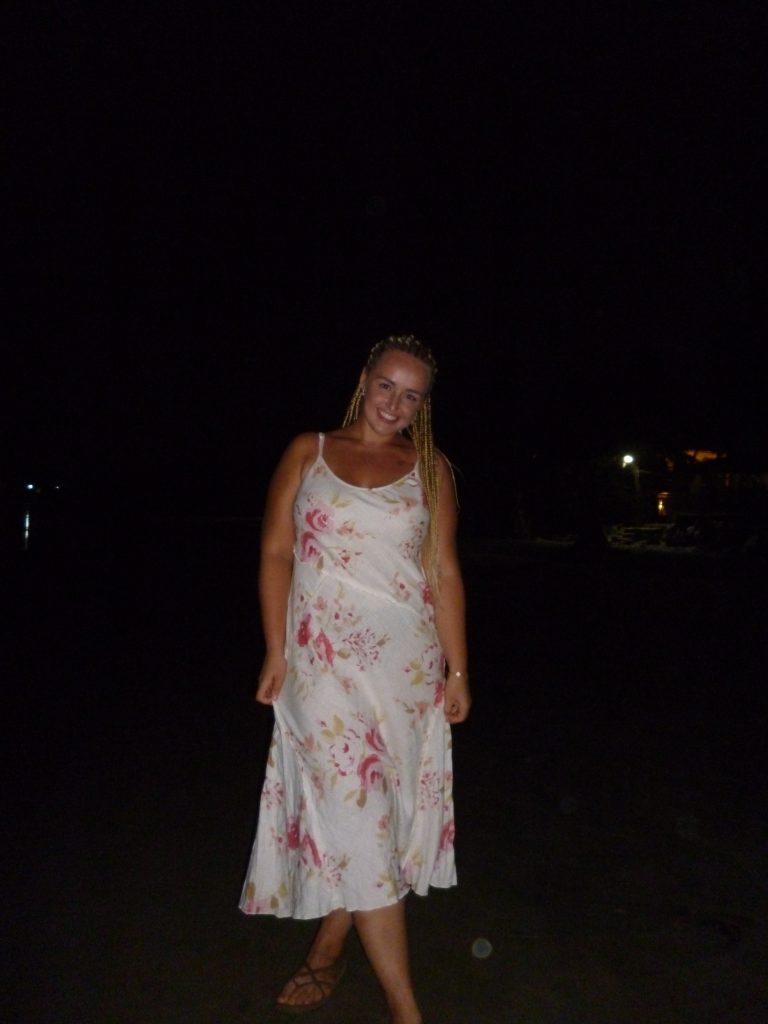
My professional experience also became much more intense during the second half of my volunteering period. I started working in different hospital departments, which gave me a much deeper understanding of healthcare in Ghana. As a nurse, this was probably one of the most educational but also emotionally challenging parts of my experience. Working in the hospital often created an internal conflict in me. The knowledge and skills of many healthcare professionals were impressive, and I met incredibly dedicated, creative and compassionate colleagues who tried to find the best possible solutions for their patients despite very limited resources. At the same time, I witnessed situations that were difficult to accept. Unstable electricity and internet could directly affect the quality of care, the nearest X-ray machine was about a 30-minute drive away, and essential equipment and resources were sometimes simply unavailable. Family members were often responsible for basic bedside care. Furthermore, approaches to pain management and patient communication could be very different from what I was used to.
These experiences reminded me that healthcare is not only about modern technology or expensive equipment. Being kind, respectful and empathetic costs nothing, yet it can make an enormous difference to someone who is vulnerable and seeking help. At the same time, I learned not to judge an entire healthcare system based only on what was different from my own experience. Instead, I tried to understand the circumstances in which people were working, learn from the colleagues around me and, where appropriate, share my own ideas and suggestions.
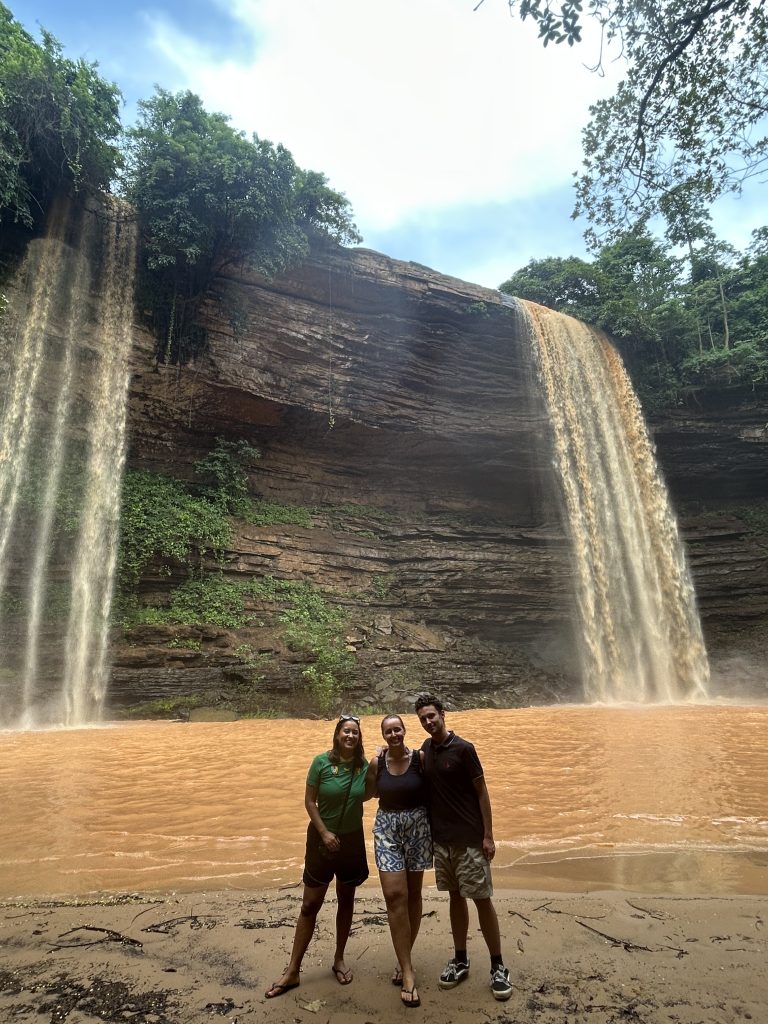
Outside of work, Ghana continued to surprise me. Some months were filled with travelling, both for my own enjoyment and for meetings connected to the volunteering programme. One moment I could be admiring the beautiful landscape and thinking about how lucky I was to be there, and the next I could be standing in a chaotic bus station in more than 30-degree heat, carrying heavy bags while several people simultaneously tried to talk to me, sell me something or convince me to go somewhere. Ghana rarely allowed me to stay too comfortable for long – and perhaps that was exactly what made the experience such powerful character training.
Halfway through my stay, another realization started to appear: I would eventually have to leave. This felt almost ironic. During my first months, there had been moments when I cried because I had come to Ghana at all. Six months later, I found myself becoming emotional because I knew that soon I would have to go home. At the same time, I deeply missed Estonia – my family and friends, my work, familiar food and even something as ordinary as my washing machine. Living between those two feelings was strange: I was looking forward to going home while already knowing that I would miss the life I had created in Ghana.
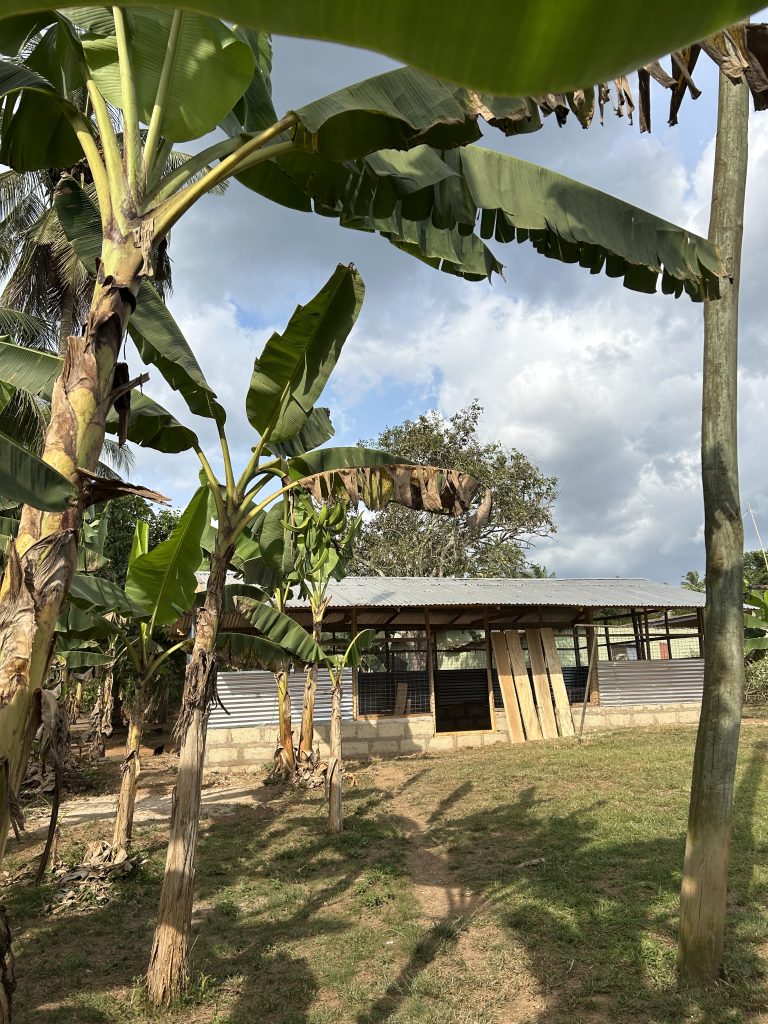
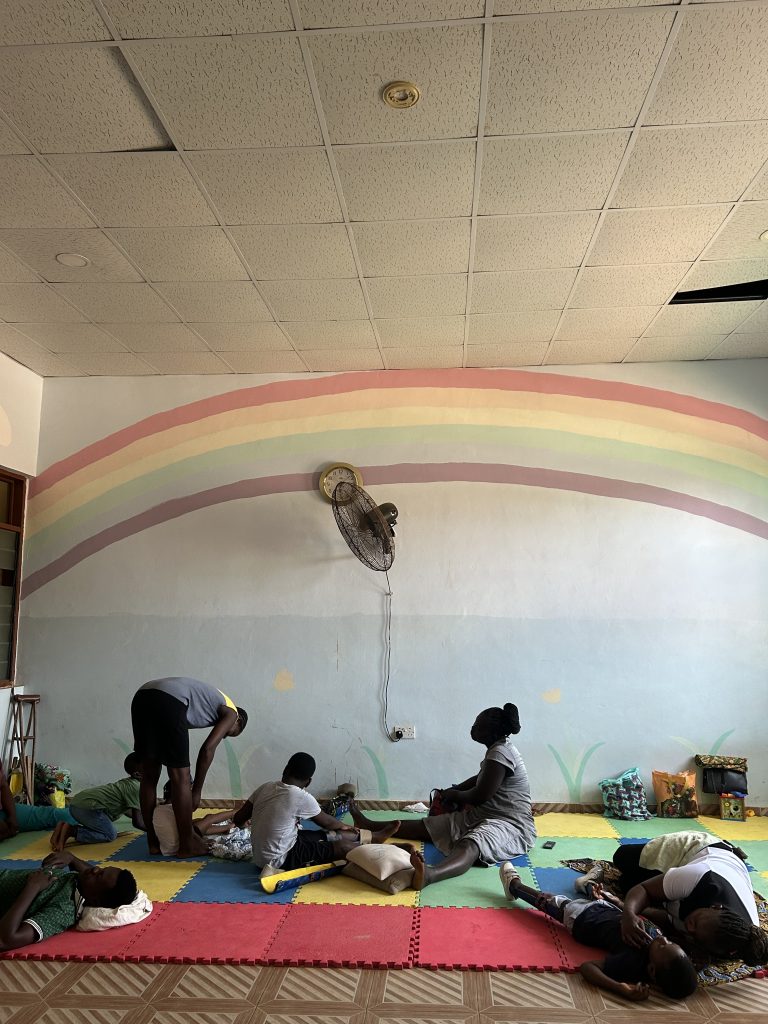
One of the projects closest to my heart during these months was the chicken coop project I had mentioned in my previous blog post. What began as a relatively modest idea grew into something much bigger than any of us had initially imagined. Thanks to incredibly generous donors, we managed to raise 20,000 Ghanaian cedis, which allowed the rehabilitation center to build a large and durable chicken coop. The purpose of the project was to contribute to greater food security, support the children living at the center and eventually create an additional source of income that could help cover educational and healthcare-related needs. Seeing an idea that had existed only in my head turn into an actual building was incredibly rewarding. The project showed me how something relatively small can grow when enough people believe in it and decide to help.
But when I think about my final five months in Ghana, the strongest memories are not necessarily of individual projects, hospital departments or trips. They are of people. My host family, who had already made me feel welcome during my first months, truly became my Ghanaian family. The friendships I formed became deeper, everyday routines became precious, and Duakwa no longer felt like a temporary project location. It became a place where I had a life.
After eight months, returning to Estonia felt much more complicated than simply going home. Ghana had become my second home – a place filled with people I loved, friendships I wanted to keep and routines that had become part of who I was. Saying goodbye meant leaving behind a version of everyday life that had once seemed completely foreign but had eventually become completely natural. At the same time, I had missed my loved ones in Estonia enormously and was genuinely happy to see them again.
What surprised me was that coming home required its own period of adjustment. Things that had once felt completely ordinary suddenly felt unfamiliar, and it took time to settle back into Estonian routines and rediscover my place in the life I had left eight months earlier. Perhapsthat is one of the strangest things about living abroad for a longer period: you return to the same place, but you do not return as exactly the same person.
I went to Ghana hoping to step outside my comfort zone, grow both personally and professionally, and experience life in a completely different cultural environment. I came home with much more than that. Ghana taught me patience, adaptability and gratitude. It challenged many of my assumptions, strengthened me professionally and showed me how little we actually need to create meaningful connections with other people.
Eight months ago, Ghana was a completely unknown place on the other side of the world. Now, when I think of Ghana, I think of my second family, my friends, laughter, music, chaotic bus rides, spicy food, sunshine, difficult days, meaningful work and countless moments I never could have planned for.
I may have returned to Estonia, but a part of my heart will always remain in Ghana.